More Thoughts On Apple’s Price Increases: The AI Tax

The AI Tax is about more than the cost of a computer

Now that the dust is settling a bit after Apple unsurprisingly announced price increases across its hardware lineup, I have to say that I’m quite bemused to see the pocket book hit being called the AI Tax

I wasn’t clever enough to use that descriptor when I posted about the news shortly after the announcement, but I had been paying enough attention to immediately point the finger of blame at the costs associated with Artificial Intelligence. I think Jonny Evans was the first to coin the phrase AI Tax. For what it’s worth, I hope the phrase AI Tax sticks. Sticks hard and deep. And twists the knife. Because it’s going to affect much more than just the cost of MacBooks, iPads, Apple TVs, and other gear designed in California.

While other tech companies had already started raising prices due to the AI Tax, (talk to anyone in the gaming market) Apple’s announcement is one that brought real shivers and shakes to consumers, the stock market, and boardrooms around the globe. Whether mostly myth or prescient business practices, Apple’s reputation for being ahead of the curve when it comes to purchasing large supplies of chips to withstand market pressures is and was such that tech companies in other sectors often found themselves facing sold out inventories or higher prices when it came time to make their orders. The “Apple Tax” extended far beyond the high cost of Apple products.

That rep and Apple’s stock took a dive on the news. Apple recorded its second biggest market drop in its history, dragging the NASDAQ down with it. Heading into the weekend there’s consternation brewing about all of the chip releated businesses going forward. (Hint: that’s most businesses these days.) But then again, the stock market is not much more than a wild ride in an aging prediction market, so who knows how that will unfold as a holiday week begins on Monday.

Word came via The Financial Times Friday night that Tim Cook was calling in some chits on chips with the Trump administration, attempting to circumvent chip bans balled up in the trade war to and fro with China. If successful, that would allow Apple to buy banned chips that the Pentagon is hesitant about, given that they are built by state controlled Chinese companies. According to the report this lobbying had been going on for a month or so prior to Cook’s first warning a week before the price hike announcement on Thursday. 

The timing hints at a bit of public hardball lobbying from Apple. (Note that the price increase announcement wasn’t a Friday news dump after the market closed. However, The Financial Times article came after no known action from the administration post Apple’s announcement.) Shake the markets and try to wrest the attention of the administration fighting losing battles of its own making with bodies of water in the Middle East and in its own backyard. I’m almost surprised Apple hasn’t been called a vandal yet.

As I said earlier, this is going to have far reaching implications beyond the consumer gadget markets. Chip capacity has to increase, or the demand for higher bandwidth memory has to decrease before any of the predictions that this will subside in a few years. (There’s a good read on this from Imran Valiani here.) On the current trajectory, fueled by still increasing hype to combat building blowback, I don’t see that timeline materializing. This news might bobble the bubble, but I don’t think it’s ready to pop.

Costs are going to rise across the board. It’s not just consumers that purchase computers who will take the hit. And it’s not just the purchase of computers that will drive an inflationary spiral. Yep, that’s the I-word that no one likes to hear, especially politicians. Everything is a computer these days, or at least has some form of chip in it. And, in my opinion, too many companies have jumped on the AI bandwagon far too soon to understand the long term ramificatinos. All of those costs will be passed down the line to consumer pocket books.

I also don’t think we’re going to see these price pressures subside to pre-AI Tax levels. I’m old enough to remember when new cars used to have price ranges well below $5,000. That obviously makes me prehistoric, but I can remember watching The Price is Right featuring cars as the grand prize with contestants guaranteeing at least their first guess was accurate by chosing the number two for cars that would be priced at $2995. That’s a memory that doesn’t require a chip. Although streaming those old shows does.

Like it or not, Apple’s success since the launch of the iPhone, has been a key piece of U.S and global economic growth with much of the tech sector following along and prospering in its wake. Apple’s recent announcements are probably one day going to be viewed as just as big a marker going forward as the release of that first iPhone.

It feels to me that we’re entering into a price curve trajectory for computing on all levels that will follow a similar trajectory as the automobile market. The financial markets will find ways to love it as financing will become a key driver to cover costs while the markets get used to price points for signature hardware starting much higher than the $1000 price point today. There’s got to be a way for the bankers to cover all of the borrowing associated with the build out of data centers.

Over the years the myths of Apple being doomed have largely been just that. Myths. Apple always found a way. This turbulence probably won’t change that. But the AI Tax will change things for all of us in ways that we’re just beginning to understand. Inept global political and corporate leadership easily taken advantage of by hype-masters and hucksters have paved the way to this moment. 

And all of this for a still largely unproven technology.

Thanks for reading. You can subscribe to this blog if you care to. You can also find more of my writings on a variety of topics on Medium at this link, including in the publications Ellemeno and Rome. I can also be found on social media under my name as above. This site does not use affilate links. 

No Surprise. Apple Raises Prices Due To Memory Woes

No hallucination. AI puts the squeeze on memory prices.

Don’t be surprised. Don’t be shocked. Apple is raising prices. Outgoing CEO Tim Cook said a week ago that Apple couldn’t withstand the price pressure brought on by memory chip shortages, likening it a 100 year flood. Put on your waders John Ternus.

Apple logo2.jpg.

Translating that a bit, what Cook was saying is that Apple doesn’t want to cut into its historic profit margins. 

Bloomberg has the report. As does everybody else. You’ll see lots of screaming, hair pulling, and much gnashing of teeth about this in the next few days. But again, this shouldn’t come as a surprise given all we’ve heard for so long about the pressures AI is putting on the chip business.

Just remember, every time you’ve talked to that chatbot, you’ve helped make this happen.

Here’s a statement from Apple to the Wall Street Journal.

“We have now reached a point where we need to begin raising prices,” [Apple] said in the statement. “We have never seen a component price increase this much, this quickly.”

Note that there’s no mention of AI is the root cause. Rationalizations and spin will replace AI hallucinations and eventually absorbed into the corpus of knowledge about this.

So what costs more?

Even Apple’s latest big hardware success story, the MacBook Neo, originally priced at $599 is going up to $699. That has to sting. But so too will the sting for price increases for iPads and Macs. 

Here’s a list of some of what’s more expensive.

  • MacBook Neo entry $599 increasing to $699
  • MacBook Air 512GB $1099 increasing to $1299
  • MacBook Pro 1T $1699 increasing to $1999
  • iPad Air 128GB $599 increasing to $749
  • iPad Pro Wifi 256GB $999 increasing to $1199
  • iPad mini $499 increasing to $599
  • iMac $1299 increasing to $1499
  • Apple TV 4K $129 increasing to $199
  • HomePod mini $99 increasing to $129
  • Vision Pro $3499 increasing to $3699

At the moment iPhone prices remain the same. Expect that to change come this fall. You’d be a fool not to.

I think this is the beginning of a cycle that is going to see most consumer hardware become more costly, eventually reducing the number of units sold. Somebody thinks that will even out. I’m not so sure.

All because of an overhyped technology that is being forced into consumer hardware and the much hated data centers that are required to run it. Less units will be sold. But if your eye is on the price per unit margin, you’re missing the larger point. Math is hard. But it’s not that hard. Sell less, make less.

Simply put, we’re at the beginning of a nasty cycle. Ask your chatbot therapist how you should handle it.

Thanks for reading. You can subscribe to this blog if you care to. You can also find more of my writings on a variety of topics on Medium at this link, including in the publications Ellemeno and Rome. I can also be found on social media under my name as above. This site does not use affilate links. 

Thoughts Before WWDC 2026

Looking ahead and looking back

Wait and see. 

That’s the summary of my thoughts for Apple’s World Wide Developer Conference this year. That event happens next week. The waiting and seeing will happen over the summer, possibly all the way until this time next year. 

I’m not talking about what Apple will talk about at the conference and in the keynote. I’m talking about what they actually deliver down the road and when they deliver it for the numerous operating systems with 27 tagged on at the end. Some will get love. Some won’t. That’s nothing new. (Ask iPad users.) For a company with so many resources each year’s releases always seem to curiously remind me that Apple picks a platform to focus on, and seems content to let others wither on the vine for a time. 

To be fair, I’ve always had a wait and see attitude towards most tech announcements, because what looks sexy and is hyped in the demos, press releases, and podcasts, sometimes makes it into the hands of users, sometimes not. Prior to 2024, Apple usually delivered on what it promised. But that changed with Apple Intelligence. A name I bet they wish they’d never let see the light of day. They didn’t deliver then and haven’t since. They promise they will this time, although who knows what that will really mean. The weight of wait and see has become heavier.

This also comes at a time when there’s a burgeoning backlash building among consumers against anything related to Artificial Intelligence. So the climate is not nearly as inviting as it was two years ago. For what’s it worth, I think it’s becoming harder and harder to sell any product or feature that guarantees its inaccuracy up front, promising to do better in the future. But there sure seem to be enough takers and talkers thinking different on that than I. 

Curiously, Apple seems to be hedging its bets, apparently set on using Google’s AI as the foundation. Some say that’s a place holder until Apple rolls its own AI after it’s mistaken first rollout, the way it did with Maps. Some say it’s a wise move for the future because it might save Cupertino some cash and more blowback from having to build out its own data centers. I say, wait and see.

From what I read Google may be reinventing itself and the Internet with its efforts, but those efforts aren’t meeting with thunderous applause and accolades. At least compared to Google’s competitors. Besides effectively putting Google in the catbird (chatbot?) seat driving all AI chatbot activity on the majority of handsets sold on the planet (Android and iOS), who knows how it will turn out. No chatbot can predict, nor can any human. That said, the marketing puzzle about what’s Apple and what’s Google is going to be fun to watch play out, even in the end it’s going to be meaningless to most consumers. 

There’s also word that this year’s OS releases will also focus on fixes and not new features the way Snow Leopard did for Leopard on Macs back in the day. Intriguingly there were quite a new features for Macs in that release. Speaking of Macs, there’s also talk that they will see more of Liquid Glass than we saw the first time around. To be honest, I’m grateful for last year’s comparative neglect of Liquid Glass on the Mac. I’m waiting and seeing with a bit of trepidation how attention is focused on that this year. I’m also waiting on the day when someone finds a way to sell me on rounded corners on rectangular displays.  

I would welcome fixes. Boy, would I welcome fixes. I’ve long maintained that the cadence of Apple’s OS release cycles is too rapid to allow it to effectively address problems. I get that there’s a long view and a necessity to look ahead, but when you’re hearing leaks about the next year’s efforts before this year’s are announced I think the tempo is too fast and it becomes too tempting to push things off until the next year.

I’ve written about a number of things that bug me off and on. Because they bug me off and on. I’ll list some that stand out that I wish would get attention. That said, most seem to fall back on issues with iCloud. Hearing talk that however Apple rolls out the new Siri or chatbot feature will allow that feature’s chat history to sync across devices via iCloud gives me a shutter. I’m guessing that will lead to more unexplainable stops and stutters in iCloud syncing in general. 

So, here’s a small list of things I hope, but am not counting on, seeing addressed.

iCloud syncing. Just make it reliable and give us Sync Now buttons. We get one is Messages. How about the rest of the core apps?

Perpetual Betas: I know, and respect that Apple is continuing to work on each new operating system throughout the year. Kudos. It can’t be easy. That said, find a way to keep from mucking things up on the backend for users who don’t participate in betas. Perpetual beta weirdness is hell for normal users.

Phone app. Apple made significant changes last year. They need to make more. There’s no reason in the world I can see for not going all in to help users more efficiently get rid of unwanted or fraudulent calls.

Error Messages. Tell us more. Yes, I know something failed. Tell me more about what failed and point to a solution or information that can help me find out more. 

Apple Mail. Rules in Apple Mail need to work consistently, or just be done away with. Features in Apple Mail on iPhones and Macs need to be brought into line with each other. It makes a mockery of trying to unify things between iOS and macOS.

Shortcuts. Yesterday’s future is probably some tomorrow’s further fading feature. Shortcuts are great when Apple doesn’t change things behind the scenes that cause them to break. That happens too often. Rumors that you’ll be able to create them via a chatbot sounds potentially promising. But if they are still going to randomly break, what really is the point?

Contacts. A small amount of attention could do wonders with this seemingly forgotten, yet essential app.

Apple Music on the Mac. Why is this app so bad for a company that says over and over again that it loves music? 

Reminder Notifications for Shared Reminders. There has to be a way to programmatically dismiss a shared reminder notification once it has been completed and marked off. Fix it. It is just simply annoying. Especially in the context of all of the improvements in the Reminders app the last few years.

App Store. For a company that spends untold amounts of money on its brick and mortar stores, I remain shocked at how they can be proud of the software versions of any of its App Stores. 

watchOS Software UI: We’ve already heard there won’t be much in the way of changes for the Apple Watch this year. But at least pay attention to some of the software design.

Settings. Find a way to clean up this mess. There has to be a way.

Note that many of the issues listed above are still hanging around and are the same as in my list last year.

As much as the attention will be on whatever Apple attempts with Apple Intelligence after WWDC 26, attention will also quickly pivot to the fall when new devices are announced. Given that we’ve heard countless times that devices like Apple TV and HomePods, and other home related products, are waiting in the wings for software focused on AI features to catch up, it will be curious to see what attention, if any, they get during WWDC. I don’t think those devices will be announced until the fall. I don’t expect any hardware announcements of any kind next week.  

Speaking of waiting in the wings, much will also be made about this being Tim Cook’s final WWDC as CEO with John Ternus due to take spotlight this September. Much attention will be paid to the semiotics surrounding all of that during WWDC and after. That will be interesting to watch, but since WWDC 2026 feels more and more like a catch up year all around, I’m guessing next year’s event might be more telling. We’ll have to wait and see.

So, there’s my thoughts. That and nickel won’t buy you anything.  

You can also find more of my writings on a variety of topics on Medium at this link, including in the publications Ellemeno and Rome. I can also be found on social media under my name as above. This site does not use affilate links. 

MacBook Neo and iPad: Here We Go Again

Tired arguments get a new leash on life

When Apple released the MacBook Neo it was obvious to most that Apple had introduced a product that would shake up the larger laptop market. Lurking just underneath that obviousness was how it might or might not affect the iPad market. It was only a matter of time and timing, before those who, both rightly in some cases and wrongly in others, criticized Apple for not delivering the iPad of their dreams that could do anything and everything seized on the Neo’s success as a pivot point in the discussion.

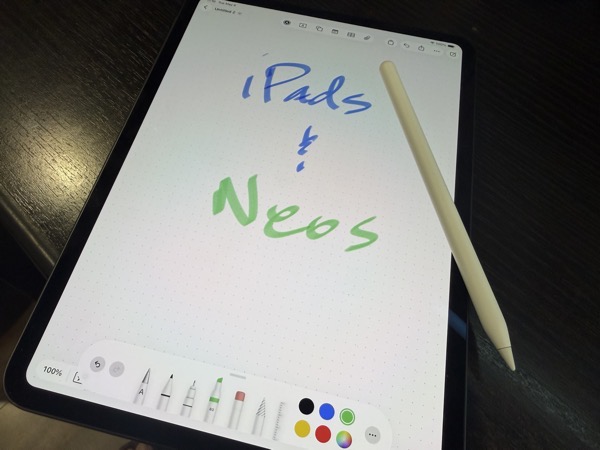
An iPad Pro with a scribbled message that says iPads and Neos. There is an Apple Pencil laying on the iPad

The quest for the perfect device for everyone is and will always be an imperfect one. Much like the arguments. In addition to its impact on the laptop manufacturing markets, the MacBook Neo proves just how imperfect those arguments are. Yet, there’s already a large dollop of discourse saying that the Neo proves Apple’s iPad strategy needs adjusting. Add to that the rumors of a touchscreen Mac that continue to recirculate the same way the iPad discussion does just prior to WWDC each year.

On Michael Tsai’s Blog there’s an excellent collection of links and comments that’s worth a look if you’re at all interested in this ultimately meaningless debate. The links feed off a post from Craig Mod, titled MacBook Neo and How The iPad Could Be, that argues “iPads should be radically touch only and MacBooks should be keyboard-first.” I can’t say I disagree. But I think the discussion should go further than either/or.

There’s got to be several data centers worth of AI-scraped web articles on the ups and downs of the iPad floating around and how Apple’s strategy held it back. And yes, the iPad has had its ups and downs. But I would argue that’s mostly, not completely, a question of preference rather than any “the iPad should be this or that” win or lose proposition.

Being an iPad user since the first edition, I’ll say this. Most of the dissatisfaction I’ve seen over the years comes from those who wanted the iPad to be more like a Mac than those who used it primarily as a tablet. Without trying to be derisive, I’d venture to say that most who complained were keyboard jockeys by trade. I don’t begrudge them their complaints. From that perspective the complaints did and still do make sense. In many ways they were following Apple’s lead from the “What’s a computer?” days, before Apple abandoned that tack and sailed into broader and more lucrative waters with Apple Silicon.

Admittedly I’m showing my own preference here. I use an iPad as a tool in my work as a theatre practitioner. I’m on my feet with a script on my iPad, using an Apple Pencil to take notes. If I need to do keyboard work in the rehearsal room, I plop the iPad on a Magic Keyboard, do the keyboard related task, then pop the iPad off again and get back on my feet. When I’m back in my digs, I mostly work on a Mac. Apple’s ecosystem makes this all possible. When it works well.

Personally, I hope Apple keeps developing and delivering all of its current line of products. Stretch capabilities in some to the limit, and limit others with less.

The current lineup serves me well. Frankly, I can’t imagine any changes Apple could make that would alter how I work. I’d be content with that future, even though I know the tools I’m going to use are going to change regardless of my current comfort zone. If that future is all about creating hardware to run AI, as it appears to be, the decision points are  going to shift away from most of the spec and capability differences we’ve been accustomed to in the past anyway.

Craig Mod argues that “the specificity of our tools should be radically clear.” I buy the argument, but extending the discussion I’ll say it’s better to have more capability than less. Most users don’t touch anywhere near what even the most limited devices can offer. In my experience they find their way to whatever level they need, which is a much lower one than most realize. Those of us who may made need more, don’t understand that most users couldn’t care less.

Moving on, and with the “What’s a Computer?” miscues behind us, Apple’s current challenge and our headaches stem more from Apple trying to meld its operating systems into some sort of grand cohesive vision that feels the same across all of its devices. Admirable. But ultimately flawed in the same way that each different computing device Apple sells is as different as any two users who use that same device. Vive la différence.

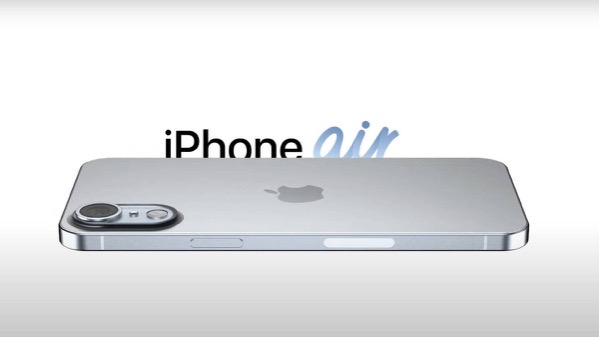
I’m sure Apple gets that, but until the MacBook Neo that wasn’t quite as smack the Apple press in the face apparent, even though there have been lesser featured iPads at lower price points prior to the Neo. You could argue the same about the iPhone Air, but the higher price obscures the point.

With talk of higher priced “ultra” iPhones and who knows what else supposedly on the horizon, who knows where all of this really leads. I’m guessing Apple will be more than content to have a multi-layered series of price points attracting customers from both the low end and the high end. That all leads to more users spending money on Apple services and that’s the key to Apple’s continued growth. More hardware entry points (price) bring in more users than new features most won’t ever use. It’s simple math.

As long as Apple’s hardware profit margins can be maintained across its lineup, even with lower priced and perhaps less capable hardware, it’s pretty much a slam dunk. The success of the Neo not only points to this strategy, it should also point ahead to a diversified hardware lineup that fills many needs, as long as there is a clear and distinct choice for the toolsets that suits them best.

(image from the author)

You can also find more of my writings on a variety of topics on Medium at this link, including in the publications Ellemeno and Rome. I can also be found on social media under my name as above. This site does not use affilate links. 


My Year In The Apple Fruit Basket 2025

Not a good fruit crop yield for Apple

2025 was an odd year toiling in Apple’s orchard.
Shutterstock 1478322374.

Getting this out of the way upfront, it was a year that Apple’s corporate behavior, personalized by Tim Cook, made me think seriously about looking to fill my computing needs and habits elsewhere. That’s an ongoing discussion I’m having with myself. As it rattles around my brain, I don’t see an alternative that is any better or any worse from a corporate posture point of view. Apple has plenty of company.

From a technology point of view I also don’t see any better alternative beyond reliving my past hobbyist days with Linux that I’m far too old to contemplate. I used to be that geek. I’m not anymore. Aside from communal political knee bending, every tech company’s plunge into the Artificial Intelligence swamp has mucked up everything, everywhere all at once, in one way or another.

I have to touch Windows now and again and every time I do I feel like I need to take a purgative and wash my hands. I feel much the same about Google’s products. Life as a geek was already becoming increasingly more distasteful in the days when it was just the algorithms that enshittified everything, but adding Artificial Intelligence into the mix has created a slop that even hogs are beginning to turn away from. I know that’s all here to stay and I’m honestly sad that it is.

Hardware

This was the first year that I didn’t upgrade much Apple hardware. I don’t think it was a conscious choice correlating with Apple’s corporate behavior, but I won’t rule out my subconscious working against my small contribution to Apple’s bottom line. Let’s put it this way, I didn’t feel the usual gadget lust tugs and twinges over anything Apple announced this year.

I did upgrade to an iPhone 17 Pro and didn’t even think twice about taking a serious look at the iPhone Air. Apparently I wasn’t the only one. There’s nothing really remarkable to say about the 17 Pro. It’s as good and solid as it’s predecessor and if that’s incremental, than incremental is more than enough for me. I think that’s also true for most users.

I did pick up a pair of AirPods Pro 3 and wrote a quick review that you can read here. The battery life on the AirPods Pro 2 was approaching end of life, so it was time, and I use AirPods a lot.

I also upgraded to the Apple Watch Series 11 from the Series 10. It’s not that the Series 11 does anything more remarkable from a technology perspective. It doesn’t. But I’m in sort of a trap of upgrading every year due to the technology I use to monitor my diabetes.

I use the Dexcom G7 sensor that pairs with both my iPhone and Apple Watch to show me and my doctor how I’m doing with my blood sugar readings. I’ve come to rely on the constant monitoring on the Apple Watch app more than I do on the iPhone. But the two devices and their apps are married. On the Apple Watch that constant monitoring takes a heavy toll on Battery Life and Battery Health. Since I’ve been using that technology Battery Health can degrade at or below 70% in a year. That’s enough for me to upgrade every year.

That is an excellent example of one of the pitfalls of Apple’s development pace that drops new operating systems annually, but trickles out fixes over the course of a year. Dexcom developers take quite a bit of time to catch up with new hardware and software. They have to. They are a medical device company. That lag is certainly more acute with a device that monitors medical conditions, but this year’s round of operating system changes have been challenging for developers in all software categories leading us all into a perpetual year of beta software.

Summing up what I feel about Apple’s 2025 hardware releases I’ll leave it this way. Apple continues to make good improvements with each hardware iteration. Quite frankly, I’d be content to see Apple continue iterating the way it has since the dawn of the M-series chip change, but the many voices continually calling for something newer and bolder seem like they’ll have their day in the next few hardware cycles.

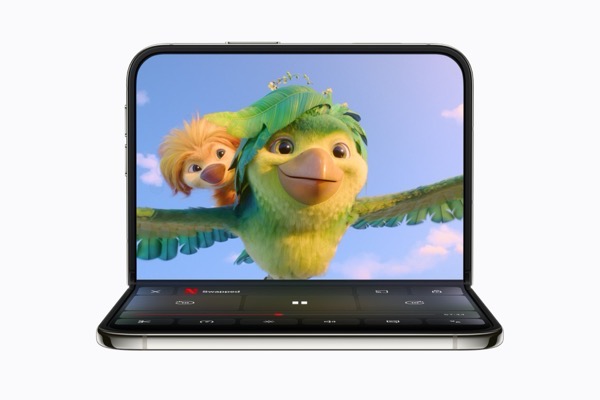
The current crop of Apple hardware has matured into the best I’ve seen on the market. Here’s hoping all that’s rumored continues that trend. That said, I don’t really see the appeal of a vastly more expensive folding iPhone beyond it being a regressive retro move and small enough to make it easier to stuff in a pocket. I guess the next big retro innovation will be to bring back mechanical keyboards. But, hey the Commodore 64 also made a come back this year. I’m guessing a folding iPhone will be enough to excite the faithful. For a few months.

Software

Software provided the real color on Apple’s fruit plate this year with what they shipped and what they still haven’t. The Apple Intelligence slices are browning around the edges, leaving an unappetizing anticipation for what may or may not be unveiled. I say “may not” because in Apple’s announcement last spring delaying the rollout of how Apple Intelligence integrates with the “new Siri” there was an important word that most seem to have overlooked. Here’s the statement:

“Siri helps our users find what they need and get things done quickly, and in just the past six months, we’ve made Siri more conversational, introduced new features like type to Siri and product knowledge, and added an integration with ChatGPT. We’ve also been working on a more personalized Siri, giving it more awareness of your personal context, as well as the ability to take action for you within and across your apps. It’s going to take us longer than we thought to deliver on these features and we anticipate rolling them out in the coming year.”

The key word in that statement is “anticipate.” Most conventional assumption makers believe whatever Apple is working on will roll out sometime in the first half of 2026. But that word “anticipate” is a great hedge that only a PR professional or lawyer could love. I don’t doubt the pressure is on to release something. I wouldn’t bet a dime on it happening before WWDC 2026.

As for what Apple Intelligence is currently, it’s still nothing to write home about. Notification summaries remain a comedy gold mine. I think I’ve touched the Writing Tools a few times, but fall back on other proofreading habits and tools. Whatever Siri is or is not doing, it’s gotten worse and even less predictable than it was before. Every time an accidental touch of the camera button light’s up the border of the screen it’s more a reminder of what’s not there than what it was promised to do. Whatever Apple is planning, the current iteration feels like it’s been largely abandoned like a rotting piece of fruit.

Liquid Glass was the feature that did ship. Countless words have proliferated around the Internet about the design change. I’ve written a few myself. My take at year end is that Liquid Glass is neither here nor there.

Legibility issues and design disasters need lots of work and attention, most of which won’t come while the number 26 is still affixed to the operating systems. Devices still work, even though I’m seeing more and more haphazard weirdness as app developers try to play catch up while Apple itself is still trying to chase down its own problems.

Given the leadership turmoil within Apple who knows what Liquid Glass may or may not become in the future. But then who knows what it was actually intended to be in the first place, beyond a distraction from the Apple Intelligence miss. It certainly wasn’t designed to fulfill anything Apple’s marketers thought it might. If there’s harmony in trying to unify things across platforms, someone needs a basic course in music theory.

While I don’t hate Liquid Glass my continuing impression is that it still feels childish in a bubbly sort of way that doesn’t jive with the sophistication that the advanced hardware platforms seem to beg for. That was my first impression when Liquid Glass rolled out, and it was solidified after spending a large junk of time with my grandkids and other relatives’ kids watching them play children’s games on their non-Apple tablets over the holidays.

CleanShot 2025-12-30 at 15.43.21@2x.

It may look cool to some, but it feels like undercarriage lighting on a car to me.

There Were Some Good Things

The most important operating system change that Apple made was iPadOS 26, finally instituting, and then continuing to iterate on, a much better windowing system for iPads. 

And, the best new feature on any of the Apple devices I use the most is the Wrist Flick to dismiss a notification on my Apple Watch. It’s simple, it’s effective, it makes sense on all levels. It should have existed earlier. And it should be what Apple aspires to with everything it creates.

Spotlight was given an overhaul offering new features like a clipboard manager. I’m still experimenting with it, but can see how it might replace Raycast in the future if Apple continues iterating on it. It’s a good addition that still needs work.

I think Apple is on to something with the changes it made for the Phone app to try and help alleviate spam calls. I hope they continue to improve this, because as good an effort as it is, I and others still find it confusing. 

Perhaps the best thing about the OS 26 releases beyond that is that all of my devices are working as I anticipate if I look past (not through) Liquid Glass and avoid Apple Intelligence.

Summing Up

In the end, I think 2025 will be considered a lost year for Apple. I maintain that Apple’s ability to take the long view strategically hindered more than it helped. And I think that some of the executive level changes reflect that. But the fact that it takes a long time to see any new substantial change in an already crowded and confused orchard didn’t argue well for the year to be a success. The political posturing alongside the product missteps has led to my personal disgruntlement and I know it has for many others as well.

One of the many Apple mantras that we’ve become accustomed to is that Apple designs its products for 90% of its users. That may indeed still be true. As much as I feel comfortable with steady iteration in hardware and software, it feels to me increasingly that Apple is reaching more and more for innovations that excite the remaining 10%. I get that. And to a degree it’s commendable. But in my experience with the users I support, the majority of those in that 90% probably never even attempt to use many of these new innovations. It’s not a case of reach exceeding grasp in my opinion. Rather, it’s reaching in the wrong direction.

Apple has already made some noise that the next OS versions will be more fixing and futzing rather than feature rich. How could it not be? By the same token, how could it be if, I as feel is increasingly likely, it will be the first time we see what the new Siri and Apple Intelligence will really offer.

I also think Apple and the other tech companies need to pay attention to the warning signs that are starting to bubble up about Artificial Intelligence. I think most of the growing distaste of AI comes not from what these tech companies are offering on computing platforms, but from the day to day encounters people are experiencing in their daily lives as more and more non-tech companies roll out versions of AI support. The way I’m hearing and feeling it, jokes and complaints about AI at holiday gatherings this year are starting to compete in numbers with ones about government and politics.

I don’t think that’s an accomplishment that augurs well.

(First image from Johann Lensless on Shutterstock)

You can also find more of my writings on a variety of topics on Medium at this link, including in the publications Ellemeno and Rome. I can also be found on social media under my name as above.

Slide Over In iPadOS 26.1 Returns Just In Time

Glad to have this multi-tasking tool back.

Since I don’t run betas on any of my devices, I’ve been somewhat anxiously waiting for the release of iPadOS 26.1 which returns the Slide Over multi-tasking feature to the iPad. It got here just in the nick of time.

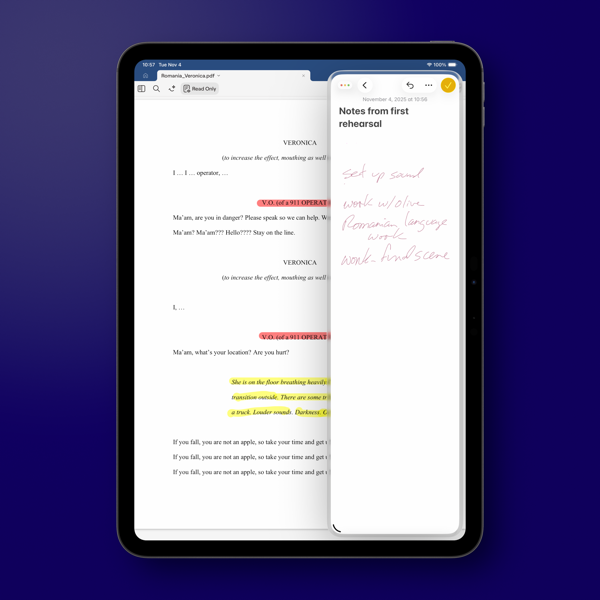
iPad OS 26.1 arrived yesterday afternoon, about 2 hours before rehearsal began and I quickly set things up for the evening’s rehearsal, using Notes in Slide Over to quickly jot down notes as rehearsal went along.

I use an 11 inch iPad Pro in my theatre work as my primary device. It contains the script I’m working on and ever since Slide Over was available I would use that multi-tasking feature to keep one or more apps tucked away for quick access conducting rehearsals.

New Shareshot.

I do question why Apple only allows one app in this returning version as opposed to multiple apps as it did before. It was always handy to keep multiple apps available throughout rehearsal, given that I prefer to have my script open full screen on the 11 inch iPad Pro.

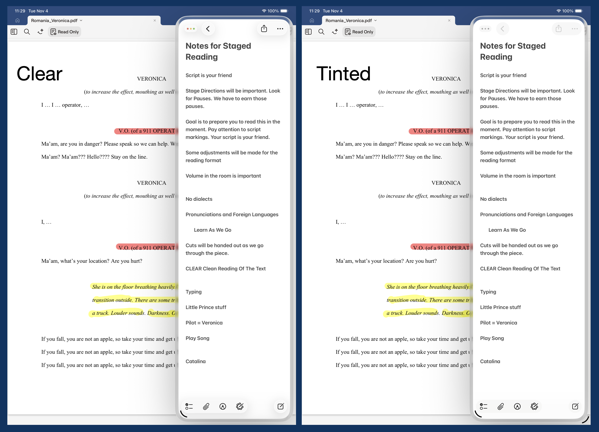
As a side note, I’m not a fan of the Liquid Glass border around the window in Slide Over. It waists screen real estate, almost begging you to look at the feature. Even switching Liquid Glass to the new Tinted version, now also available in iOS 26, doesn’t erase or lessen that border or its distracting impact.

CleanShot 2025-11-04 at 11.37.09 2@2x.

In fact, setting the border aside, switching back and forth I don’t really see any significant difference in the apps I’m currently using between the Clear and Tinted versions of Liquid Glass. I won’t call that a complaint, but I will say it might all be much ado about nothing. At least on the iPad.

You can also find more of my writings on a variety of topics on Medium at this link, including in the publications Ellemeno and Rome. I can also be found on social media under my name as above.
iPhone and OS 26 Reviews Off The Beaten Track

Looking for some new voices.

New iPhones have been released, are being delivered, and I assume being used. Some of the usual sources have already reviewed the devices and the new operating systems and I’m guessing you’ve seen many of those.

Insider explains who the iPhone 17 Air is for.

I’m enjoying reading reviews that are sort of off of the beaten track, assuming the Internet has one of those, and thought I’d link to a few of them.

First up Jason McFadden of Jason Journals talks about his experiences and impressions after installing OS 26 on several older devices. Good read.

Next up is Sebastian de With’s look at the iPhone 17 Pro cameras. Sebastian is one of the developers of the team Lux that developed the Halide camera app for the iPhone.

Olivia Lipski writing for Good HouseKeeping says I’m a Tech Reporter and a Mom. Here’s My Honest Review of the iPhone Air.

And finally Rakhim Davlekali has written a review of macOS in reverse starting with the now current Tahoe and going backwards through time. Benjamin Button Reviews macOS is worth a read for a few laughs.

I still think it’s early for any real judgements to be made about the new devices and new operating systems. But the links above are worth a look.

You can also find more of my writings on a variety of topics on Medium at this link, including in the publications Ellemeno and Rome. I can also be found on social media under my name as above.

Things Apple Won’t Fix In The Next Round of OS 26 Updates

I’d bet money these issues persist after new OS releases

Apple is announcing new iPhones, Apple Watches and possibly other things today. They’ll also announce the release date for the operating systems for all of those new devices and previous generations already in use. All of the focus is going to be on everything new, improved, changed and Liquid Glassed.

55b31eb4ba867b00263c62f538280311 XL.

I’m sure I’ll write about some of that down the road. For today I’m writing about the things I’m thinking Apple won’t address in any of the new operating systems. These are lingering issues that in some cases have not been corrected over the life of multiple operating systems. As much as I get excited about a new software release I remain frustrated year after year when Apple steps forward while dragging its feet on correcting existing problems.

Believe me, I get that Apple has created such a large ecosystem that it is impossible to pay attention to every detail and correct every mistake. I get it, but I don’t sympathize with it. Introducing new operating systems pumped out on what seems like an impossible to meet annual cycle creates other issues that need to be addressed and it is apparently too easy to just let the older ones go unattended. And from what I’ve seen from developers I follow, there are going to be a host of new issues that are going to need to be resolved over the next year. Or longer. The longer you let an existing issue hang around without attention, the more the “control the whole widget” promises seem not quite in control.

Certainly it’s a question of priorities. How the priorities are set makes me question the priorities of those that set them.

Some of these issues I’ve highlighted before, others I have not. Here are a few that continue my questioning of Apple’s priorities. I’m sure there are some that others experience that fall into the same category of hoping Apple pays attention to them someday.

Syncing

I’ve seen a decrease in syncing issues with iCloud in general. That’s a good thing. But Apple still insists on syncing Photos on its own schedule. Whether it’s battery life optimization or system optimization the delay is never optimized for the user experience.

Shared Reminder Notifications

I’ve written about this before. The fact that this one hasn’t been corrected since Shared Reminders became a thing undercuts all of the very good work Apple has done with the Reminders app in general.

Bluetooth Weirdness

I don’t know how else to describe this other than it’s just weird. There are times when Bluetooth connectivity works as designed with my AirPods and other peripherals. There are times when things just go bonkers especially with AirPods. Things will work as designed for days on end, then they won’t. AirPods switch between devices as designed, but then stop doing so. Adaptive Listening will work well sometimes and sometimes not. Connectivity with my car works well and then it doesn’t. My car isn’t smart by any stretch of the imagination and gets no software updates so it makes sense to me that it’s a Bluetooth issue on the iPhone. Note that it happens at random times unrelated to iOS updates or those mysterious AirPod firmware updates. The Magic Trackpad works 98% of the time. Then not. It’s weird.

Shortcuts

It’s become either a legend or a joke that every time Apple releases a new update (full release or point release) something goes wrong with Shortcuts. Either way it’s a problem for “the future of automation.” I particularly love it when a Shortcut just hangs with no indication that there’s a problem after working well for days on end. This inconsistent problem is consistent.

The App Store

Apple’s biggest retail outlet is the slowest loading and buggiest piece of software it has ever designed. It’s also designed abysmally.

Focus Modes

I use very few Focus Modes. I do not share them between devices. Sometimes they work. Sometimes they don’t. I’ve never set a Sleep Focus on my iMac. Yet one mysteriously appears at random during the day about twice a month. The Focus I’ve set for listening to Podcasts inconsistently fails to kick in.

Mail Rules

I think Apple has just given up on Mail Rules because the ones I’ve built just don’t work anymore.

Apple News

I enjoy that on my Mac I can choose to open an article in Safari or that I can open a webpage in Apple News. I don’t understand why that can’t happen on the iPhone.

Notification Summaries

I long ago turned Notification Summaries off because they were just confusing and caused more work than just dealing with the Notification. I recently turned them back on to check and see if there had been any improvement. There has not.

As I said, I don’t anticipate Apple fixing any of the above with all of the new ’26 releases. I’ve learned to work around them the same way I work around the passenger side backdoor on my car won’t open from the inside and I have to open it from the outside whenever I’ve got a back seat passenger. It’s a walk around workaround. It’s not ideal. And each time I have to do it I’m reminded just how imperfect things are and can be. I’m sure it will diminish the value of the car when I do decide to trade it in, but it’s already reduced the value of it in my mind.

I feel the same way when Apple doesn’t address longstanding issues that I and others have brought to their attention. Here’s hoping Apple addresses some of these issues. Here’s hunching they won’t.

You can also find more of my writings on a variety of topics on Medium at this link, including in the publications Ellemeno and Rome. I can also be found on social media under my name as above. 
Instagram Shows Up Very Late to the iPad Party

What’s the point and who cares?

The folks at Meta must have something up their sleeve. The reason I say that is they have finally, after all of these years released an iPad version of the app, long after most folks just figured it would never happen. Other than speculating on what might be behind the late to the party move, at this point it begs the question, Who cares?

Reels with Comments 16_9.

I’m sure plenty do care. I’m not one of them. Instagram is one of a few apps that I begrudgingly use. Begrudgingly because I hate it. I use it because my family on all sides continues to do so and it’s a way to keep up with grandkids, nieces, nephews, and other family news. But I honestly despise that I have to. Believe me I’ve tried to wean them off onto other apps and services, but it never sticks.

Every time I do open Instagram I have to block somewhere between 5 and 10 spam accounts (too often porn or ridiculous come ons.) And of course the algorithm doesn’t show me what I want to see, but what it wants me to see. There’s even an increased sense of desperation from both Instagram and Facebook sending out notifications telling me someone replied, is waiting for my reply, or commented on something I haven’t seen yet. It’s like begging in the street. Apologies to those who might actually need to do so.

Sure I could turn off the notifications, but sadly, that’s the least worst way to use the app to keep up with family happenings.

I’d say that since it took 15 years for Meta to finally roll this out that perhaps the adolescents in charge finally are growing up. But then, there are those porn accounts that pop up with the frequency like prepubescent zits.

I won’t be putting it on my iPad. It’s troubling enough that I still have it on my iPhone. And as I watch the over excited coverage rolling in, I haven’t seen any image of the iPad version that makes it look the least bit appealing. It’s like Meta didn’t really care based on what I’ve seen so far.

So, Instagram is on the iPad. What’s the point and who cares?

You can also find more of my writings on a variety of topics on Medium at this link, including in the publications Ellemeno and Rome. I can also be found on social media under my name as above. 
Two Interesting Takes on iPadOS 26

iPadOS 26 beta reactions are making me think twice about installing

As I continue to live vicariously, watching from the sidelines through this summer’s Apple beta season, two interesting takes on iPadOS 26 have crossed my radar and are worth sharing.

IPadOS 26 WWDC_a.

First up, Harry McCracken says what most using iPadOS 26 are saying that Apple has made the iPad more Mac-like. But he also wonders where that might lead?  Check out his post here.

Follow that up with M.G. Seigler’s post. He thinks Apple might have created sort of a Mac, Jr. His post is from prior to the release of the public beta.

Both gentlemen delve deeper than the “what’s a computer?” discussion into other facets of the betas and both posts are worth your time, if iPads are your thing.  That “what’s a computer?” question is going to probably be with us through most of the next year.

FYI. I’m adding an iPad category to this little corner of the web. I have a feeling we’re going to be talking quite a bit about iPads in the months to come.

You can find more of my writings on a variety of topics on Medium at this link, including in the publications Ellemeno and Rome. I can also be found on social media under my name as above.