-
The USA Stands Up and Survives A Near Death Experience
I didn’t sleep well Monday night. Actually I haven’t slept well the previous few nights. I was very anxious heading into the mid-term elections here in the U.S. That anxiety actually led to me getting sick to my stomach Monday morning. Certainly, if you have a pulse you know why I was anxious.
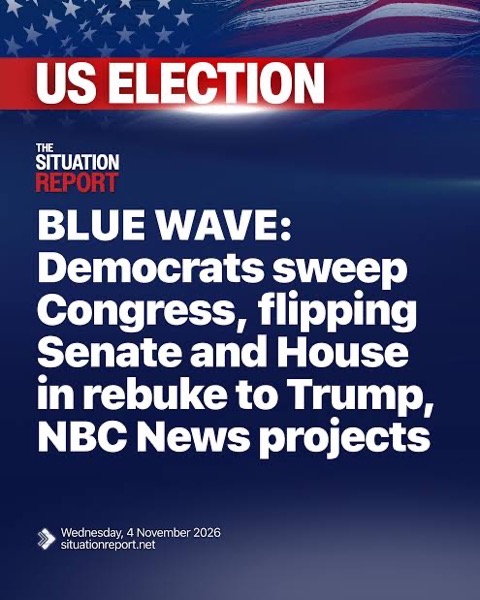
Last night, following an unmistakable electoral rebuke of all things MAGA, I didn’t sleep well either. Not from anxiety, but from trying to come down from the series of highs and rushes throughout the night as it appeared enough Americans in enough places stood up and voted to stop the bleeding that was quickly draining the life out of this country and the republic that governs it. Ben Franklin would be proud.
Across the country in races for the House of Representatives, the Senate, governors’ mansions, and state houses, Democrats did what we’re supposed to do and took back control. They said enough. Enough of the madness. Enough of the corruption. Enough of the abuse. Enough of the dividing line between the haves and the growing number of have-nots.
The big story will be the Democrats taking control of both chambers of Congress. Perhaps as it should be, because that’s where the headline battles in the last two years of the Trump administration will be fought. And it will be a fight. There are no veto-proof super majorities in either party. Basking in the glow of a stupendous victory is one thing, trudging through the hard work to deliver results will see that glow quickly fade. It’s a a very temporary currency.
The governors’ races are just as important as are the various state house races, because like it or not, those power centers will have as much influence as what goes on in the U.S. Capitol and in the elections to come. In fact, those victories may influence more in Washington than those that are bringing so many new and, more importantly, younger members to serve there.
And make no mistake, there’s a wounded, somewhat caged beast still desecrating the White House or what remains of it. It would take a complete reversal of character for him not to strike back hard and with all the cruelty he can summon. To be frank I’m worried more about his subdued, seemingly humbled reactions so far than I would be if he continued punching back the way we’ve sadly grown accustomed to.
The other story that I hope gets focus in the rushing aftermath of so much happening is the strike back at big money (largely tech) players and the political mechanics who tried to gerrymander their way into hanging on to power. These victories didn’t erase the disgrace and disaster of Citizens United, but they provide some hope that its illicit and fictional foundations don’t hold up as much as some think they should.
There’s a fight ahead. A big one. Actually, many big ones. If there’s one thing we’ve learned it’s that the small frame of these two-year election cycles can provide enough room for all sorts of chaos, agony, and destruction. The Democrats have an enormous challenge ahead. Anger swept many of them in. That anger will not subside when the hangover of victory eases. The young voters that have now brought many of them to power want to see not just action, but retribution. I sincerely hope those now burdened with governing and cleaning up the mess we’re in can find the balance for both. Because both are needed.
Am I happy. Yes. Ecstatic. I don’t know many of the winning candidates well, but to my eye it seems like decency won last night. Decency matters. Or it should.
I’m also humbled by all those who stood up, were measured and were not found wanting when it counted. I’ve lived through more turbulent history in the last decade plus than I have for the six decades that came before. I don’t think the turbulence is over by any stretch of the imagination. The one thing I learned in those seemingly, but not actually less trying times, when progress seemed to be steadily made, is that it can all be undone more quickly than it can be built. My fervent hope is that those who stood up remain standing, keeping the pressure up so this historic victory and more than deserved rebuke and near-thing resurrection will pay off.
Perhaps I’ll take a nap today.
Thanks for reading. You can subscribe to this blog if you care to. You can also find more of my writings on a variety of topics on Medium at this link, including in the publications Ellemeno and Rome. I can also be found on social media under my name as above. This site does not use affilate links.
-
Sunday Morning Reading
Sunday Morning Reading is on hiatus this weekend as we’re a bit exhausted following a night of Halloween tricking and treating with the grandkids.

Sunday Morning Reading will be back next week.
Thanks for reading. Feel free to subscribe if you want. It’s free. If you’re interested in just what the heck Sunday Morning Reading is all about you can read more about the origins of Sunday Morning Reading here. If you’d like more click on the Sunday Morning Reading link in the category column to check out what’s been shared on Sunday’s past. You can also find more of my writings on Medium at this link, including in the publications Ellemeno and Rome. This site does not use affilate links.
-
Bryan Adams Dives Into Protesting With New Song “Lake Ontario”
If you read anything here at all you know I love a good protest song. Well, Bryan Adams has just released a new one tossing water on Donald Trump’s propensity for naming things called Lake Ontario.

I’d love to hear more songs like these. You can check it out below. Spread it around.
Thanks for reading. You can subscribe to this blog if you care to. You can also find more of my writings on a variety of topics on Medium at this link, including in the publications Ellemeno and Rome. I can also be found on social media under my name as above. This site does not use affilate links. -
Apple’s Slew Of New Products Bode Well For A Broader Based Future Built On Niches
You can’t say Apple hasn’t been busy. That’s certainly the case given the slew of new products announced and released this fall, with some yet to still hit store shelves later this month. In some ways it feels like it’s an inventory clearing of hardware products that have been waiting for the software side of things to catch up. In some ways it points to a more diversified product lineup and broader user base in the future.

Either way I’m glad to see products like the iPhone Duo and the insanely named MacBook PROLED XDR Display (I wonder if they used Apple Intelligence for that — I hope that’s the excuse) even though they aren’t products I’m interested in. I’m also glad to see familiar hardware form factors continue to receive incremental improvements. Although the price increases for some of the familiar home products will put them further out of the reach for many.
As for the iPhone Duo and… I’m just going to call it the MacBook Touch, these both look like specific niche products that time will tell if their respective niches will be big enough to warrant the initial investment. Regardless of what the bottom line future holds, my hunch is that they will each develop an ardent and passionate user base.
And that is as it should be.
Apple is not only broadening the number of products it sells, it is also broadening the number of ways users can interact with its products and its vision of computing. Apple is often criticized for its narrow and opinionated view of how computers and technology should work. That will still happen because Apple is indeed still opinionated and critics will always be critics. But it will happen within a larger universe of product possibilities that doesn’t feel quite as one size fits all or how one device in a category has to cater to every possible type of user.
As to the price point problem everyone in consumer tech is facing, I don’t think you have to look any further than the introduction of the NEO last spring to understand where Apple is headed. While those initial NEO prices have increased due to chip costs, and the next version will probably do the same, it looks to me that Apple is further segmenting, while still expanding its customer base by including a larger array of price point options.
I am thoroughly puzzled by the $299 price point of the Apple TV though. It seems oddly out of place. I, and several others I know were looking forward to upgrading that device this year. But at that price point most I’m talking to are, like me, sitting tight with what they currently have.
Going forward, a lot of the coverage is going to focus on the new and shiny iPhone Duo and MacBook Touch. That’s understandable. But I think the bigger story is going to be about the entire lineup and how those new products fit in and expand Apple’s user base.
Thanks for reading. You can subscribe to this blog if you care to. You can also find more of my writings on a variety of topics on Medium at this link, including in the publications Ellemeno and Rome. I can also be found on social media under my name as above. This site does not use affilate links.
-
The Death Of The Internet? Some Think So.
Some savvy folks are donning mourning clothes as they proclaim the death of the Internet, while simultaneously getting all dolled up, hoping for something new to rise from its digital ashes. And some wish it would just go away. I’d argue that whatever phase of life the Internet is in it is certainly safe to say it is a sickly one.

I’ve seen what I’m linking to here pass through my feeds this week and last, some via RSS, some via social media, some via an email subscription. All while I’m online fighting Medicare with the assistance of one of my doctors over some changes to prescription drug charges. No one takes a phone call these days. It’s online or bust. So I think that while the Internet might need some intervention or reinvention, I doubt seriously most of the real world is ready for that. But then again, the real world wasn’t ready for the Internet in the first place.
In my opinion, how you view the possible end of the Internet largely depends on what you put in and what you take out. Strangely enough, just like life.
I think Dave Winer is more accurate in calling it the web rather than the Internet. I mean we fight shooting wars using “the Internet” these days. Winer points to a fascinating article from Ben Thompson called The End of The Internet, that provides not only Thompson’s thesis but also excellent context on the entire discussion. Winer also points to Marco Arment’s search for Community that I referenced earlier in a previous post. I encourage you to read all mentioned above.
Communication, Connection, and Commerce
The three “C’s” in that subhead are, to me, what the Internet boils down to. They coexist, they collide, they sometimes cradle each other and can also cause each other to crash and burn. The Internet is like any other human invention or innovation. Once whatever is created becomes about the cost of sustaining that creation, conflicting tensions boil up. Just ask any major church or organized religion, local farming co-op, computer company, or small local chorale. Capitalism takes over and history proves nothing ever created by humankind is immune to the compromises that come with it.
Winer, Thompson, and Arment haven’t quite given up the ghost just yet. All three see potential for something new. That’s not quite the case with Miles Klee, whose piece also caught my eye this morning. In Please Let The Internet Die. Klee highlights a book by John West called The Internet Will Die, and So Will You: On Learning To Live In Our Digital Age. This quote caught my eye:
If the internet is much smaller and less solid than imagined, West’s book suggests, then it’s crucial to recognize the forces that determine how those deaths unfold, or which pieces are preserved while others crumble. Because the market has falsely sold us the web as a comprehensive library of accumulated wisdom, each transient phase of this global network comes to define the present, for better and worse.
And this:
These shifting sands are a far cry from the flawless, collective, permanent memory that internet users originally believed they were building. “‘Forever’ is such a strong word, and it’s the wrong word,” West says. Online spaces are memento mori, the same as individuals who self-promote across them.
I was also intrigued by this quote from Thompson:
This is where I come back to de Tocqueville: the Internet is an American invention, and has long been defined by American mores; the individuals who thrive on the Internet, no matter their nationality, come across as very American in their iconoclasm and cringe.
I think Thompson’s thought is not only accurate but also uncannily diagnostic. It is timely context coming at a time America itself, with the rest of the world looking and moving on, is questioning its own existence 250 years in.
Omnia praetereunt.
(Image from AnnaStills on Shutterstock)
Thanks for reading. You can subscribe to this blog if you care to. You can also find more of my writings on a variety of topics on Medium at this link, including in the publications Ellemeno and Rome. I can also be found on social media under my name as above. This site does not use affilate links.
-
Fondling Apple’s Folding iPhone Duo
Anticipating Apple’s now released iPhone Duo I spent a morning earlier this past summer checking out Samsung’s latest folding smartphones. I’d never been interested in the folding form factor before and thought it was time to feel them out for myself. I wrote about that here.
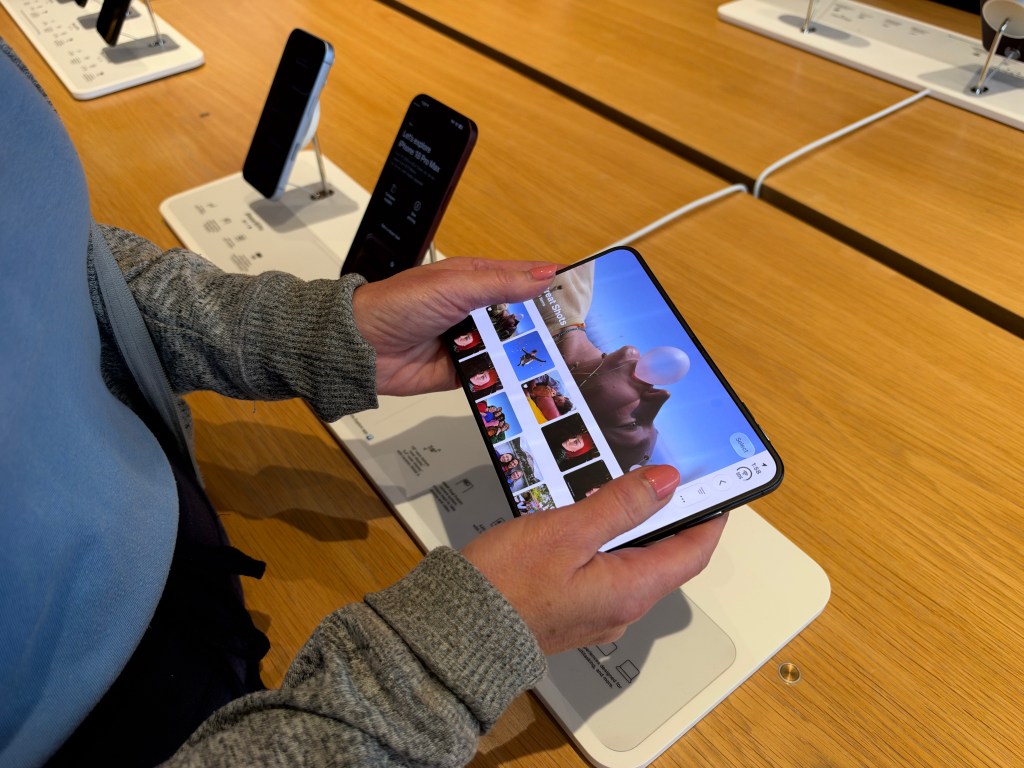
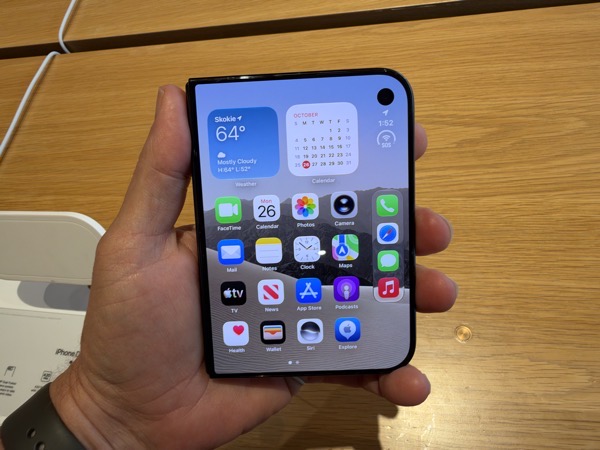 Yesterday on a series of errands I convinced my wife to join me in doing some hands-on time with the iPhone Duo in a local Apple Store. Not only did I want to check the device out myself, but my wife is unflinching in her response to all things tech. Her responses are always genuine, occasionally surprising, and often unflinching. With her it’s a quick like/don’t like, and her first impressions rarely change even as she slowly adopts something new.
She was a reluctant iPhone user, only coming on board once manual keyboards disappeared from the scene. And her favorite iPhone was the iPhone mini. Even though she’s using an iPhone 17 now, she still curses Apple for discontinuing that form factor. Daily. Sometimes multiple times a day. I distinctly remember how unhappy she was the day she traded in the second of her iPhone 13 minis.
Back in the day when video reviews of gadgets began to be a thing I’d put her in front of a camera for GottaBeMobile to see how she responded to things. The results were often hilarious as she’d make up her own terms for things, but in the end, always telling.
Before I get to my initial reactions to fondling the device, let me say straight up my wife was not impressed. When she first picked up the device she emphatically said, “This is too heavy. I wouldn’t put that in my purse.”

Almost immediately followed by “What kind of case do you put on this thing?” She drives the tech she uses hard. So hard, I’m glad Apple Care exists.
I encouraged her to fold and unfold the device, check out its different orientations and open a few apps. Her negative impression of the device’s weight paled in comparison to her reaction when she realized she couldn’t fully reach across the screen in the closed position to type on the keyboard with one hand. She could get close, but not close enough to feel comfortable.
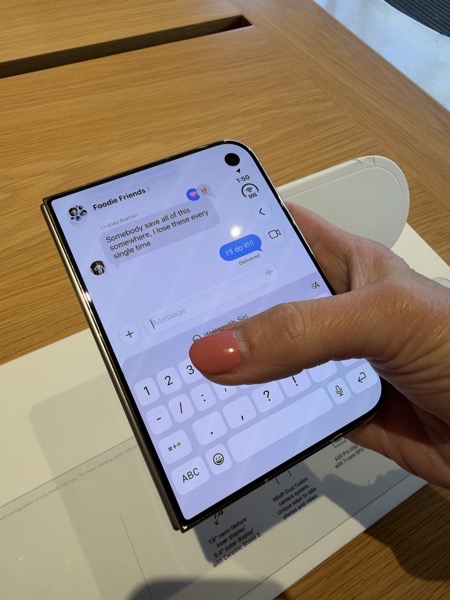 She was surprised at how difficult it was to open and close. “You have to use two hands to do anything on this,” she exclaimed. “I feel like I’m going to break it. For something so solid and heavy it feels too fragile.”
First impressions leave a mark. Hers were as indelible as a tattoo.
I have to admit mine were only different by degree.
Even though I’d read about how heavy the iPhone Duo is, I was surprised at the weight in my hand when I picked it up. Opening and closing the device needed more heft than I wanted it to, much like the Samsung devices I checked out this past summer.
While the premium builds of these foldable devices feel solid when you pick them up, the central premise and promise of unfolding the screen feels far too adventurous in my limited hands on time. I’ve noticed that some reviewers are searching for the right place to put your thumb on the larger screen when you close the device after the news of some screens cracking due to a hinge fault. To a degree it smacks of “you’re holding it wrong.” Or is that folding? There’s a Kenny Rogers gambling joke in there somewhere.
I very much like the larger display and can see its attractiveness. So much so that my gut feeling after reading and watching reviews was confirmed once I held the device. I wish Apple had released a folding iPad mini.
Though as someone who uses an iPad as a primary tool in theatre rehearsals, without a good case solution I find it hard to image using what is a very nice thin display in what can be a bit of a hectic and chaotic environment of tech tables filled with other equipment. But a suitable case solution defeats and diminishes the effect of this very nice smaller screen. At least in my mind.
I’m not as enamored of the closed face. Again, in limited hands-on testing I agree with those who say there’s too little screen real estate when a keyboard is on the screen to feel comfortable. Everything feels crowded. Certainly not pleasing to the eye.
All of that said I’ll say what I said about Samsung’s foldables. I can see the attraction for this category of smartphones. But it’s not something I’m interested in. Even ignoring the price points they feel more like luxury devices, than they do everyday practical devices. They require too much hands-on effort for those of us who’ve gotten used to the grab-and-go way we use our smartphones. I’m sure I could get used to quickly taking a photo with practice, but I bet it would still take longer than doing so on my current iPhone. My grandkids move too fast for that kind of action.
I also can’t imagine quickly folding and unfolding an iPhone Duo to take notes or review a script in rehearsals to avoid those chaotic tech tables. Moments move too quickly for an action that feels so painstaking.
These are first impressions. First impressions leave a mark and you don’t often get a chance to change them. Samsung and others have been attempting to reverse that trend for years now, and I imagine they hope Apple’s entry into the foldable market will be a big enough boost to help the entire segment. That may prove to be true down the road, but I think foldable smartphone makers still have some distance to travel before everyday users feel comfortable wrapping their hands around folding phones.
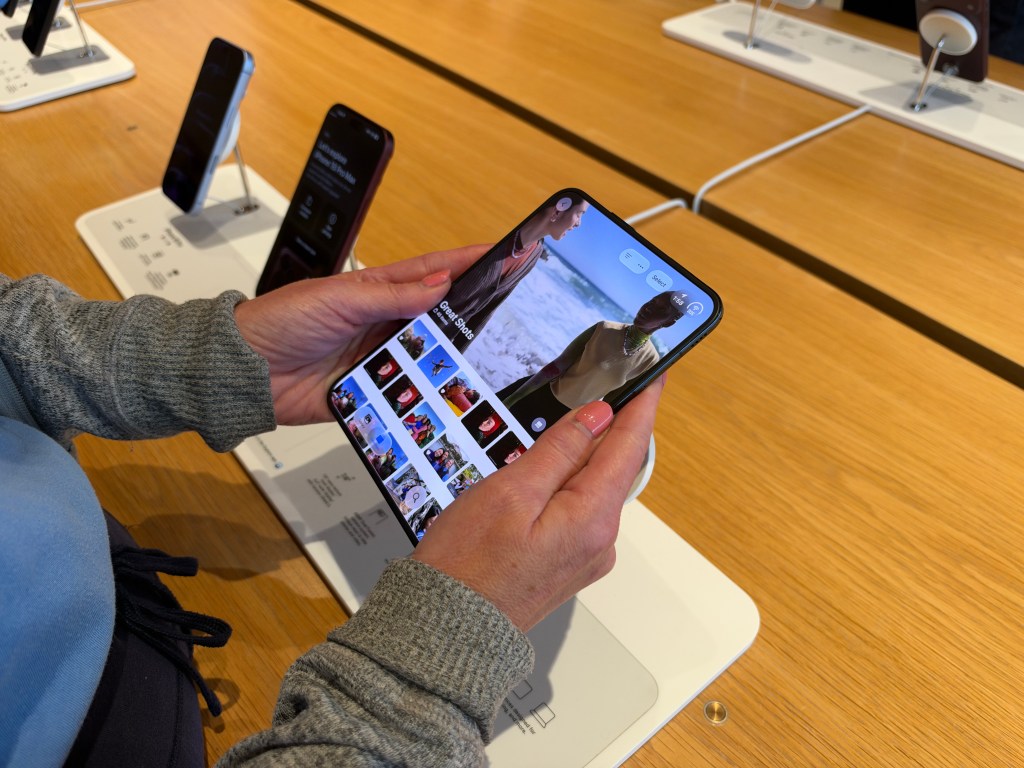
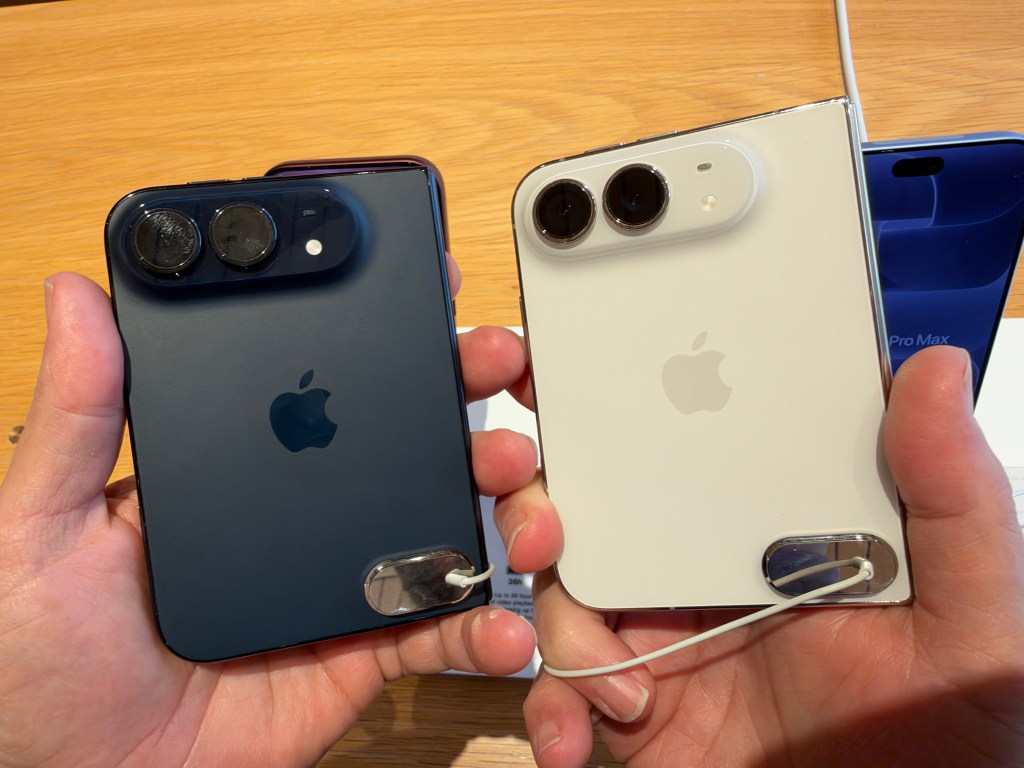
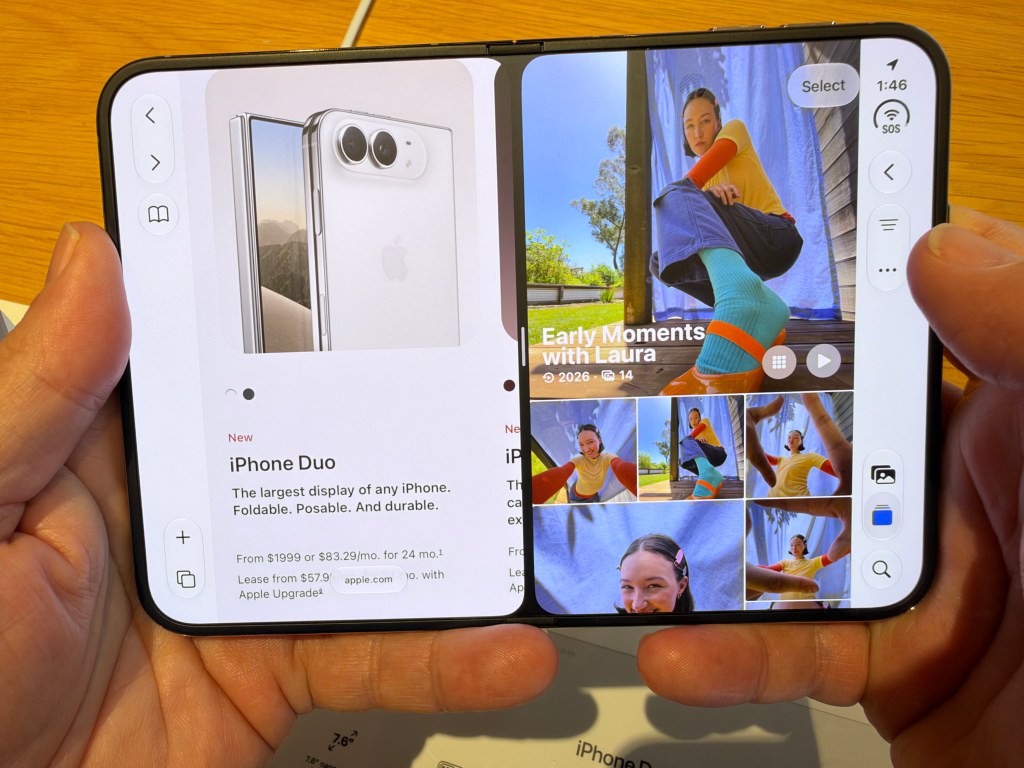
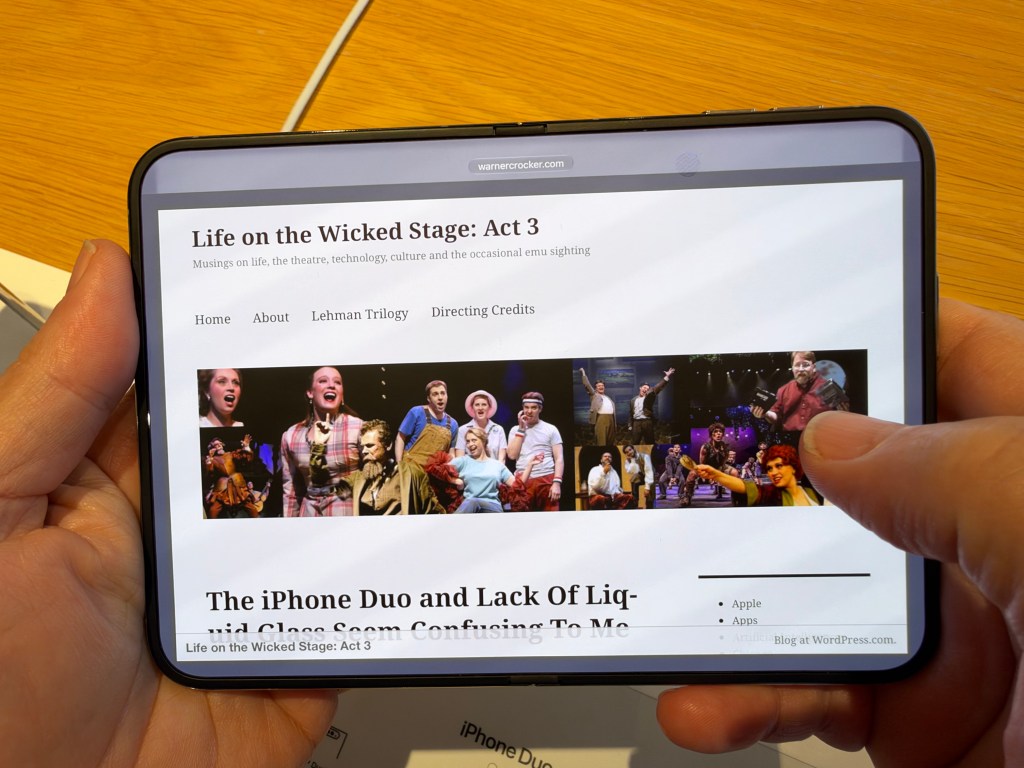
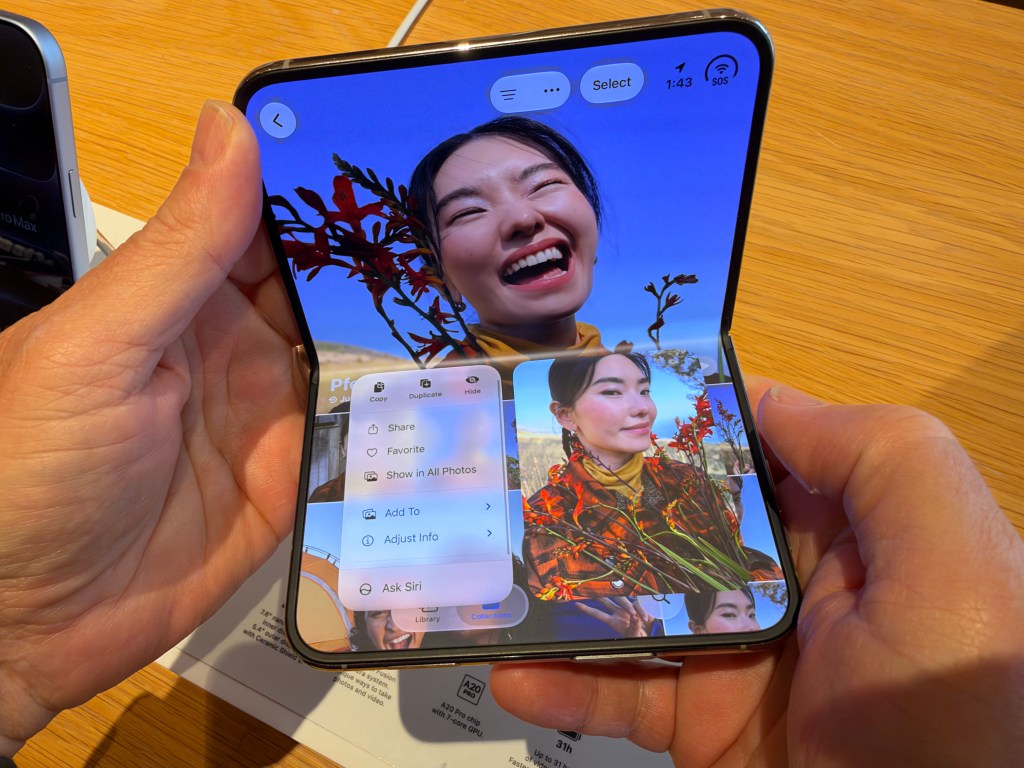
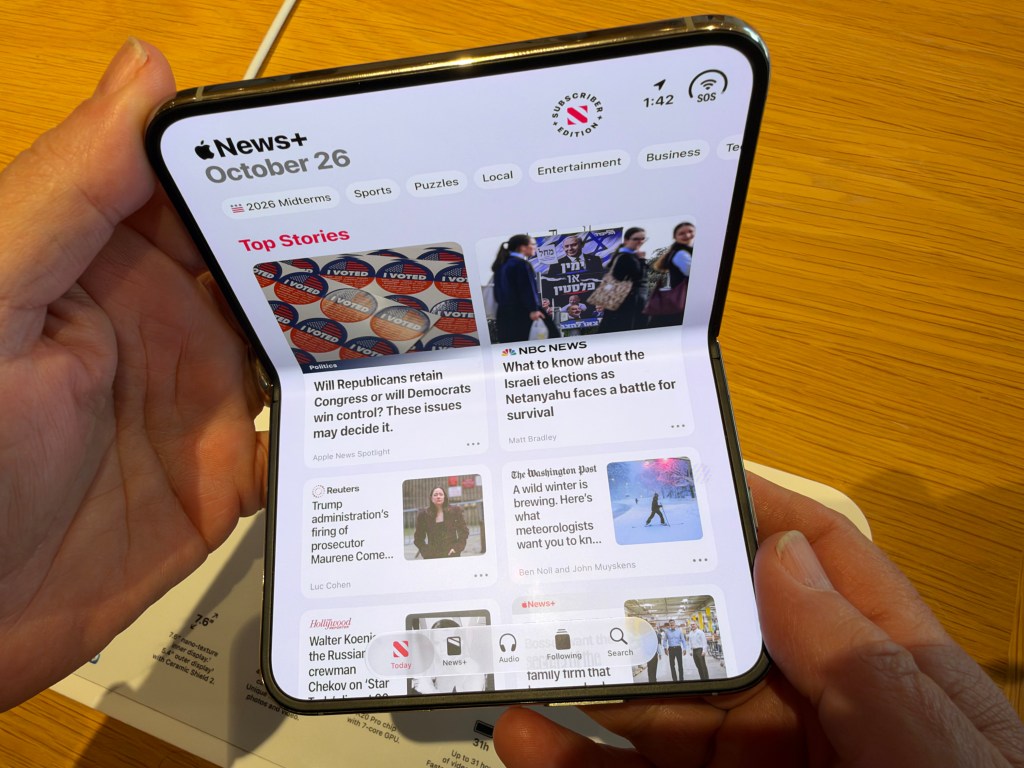
One other quick note. Talking to an Apple store employee I’m familiar with they said interest quickly waned after a small rush on release day last Friday. My wife and I were the only two people anywhere near the two iPhone Duos the store had on display for the hour or so we were in the store, though admittedly it was on a Monday afternoon.
Thanks for reading. You can subscribe to this blog if you care to. You can also find more of my writings on a variety of topics on Medium at this link, including in the publications Ellemeno and Rome. I can also be found on social media under my name as above. This site does not use affilate links.
-
The iPhone Duo and Lack Of Liquid Glass Seem Confusing To Me
It’s been interesting to watch coverage of the new iPhone Duo. Regardless of how you feel about the device it is certainly something different and I dare say exciting to talk about.
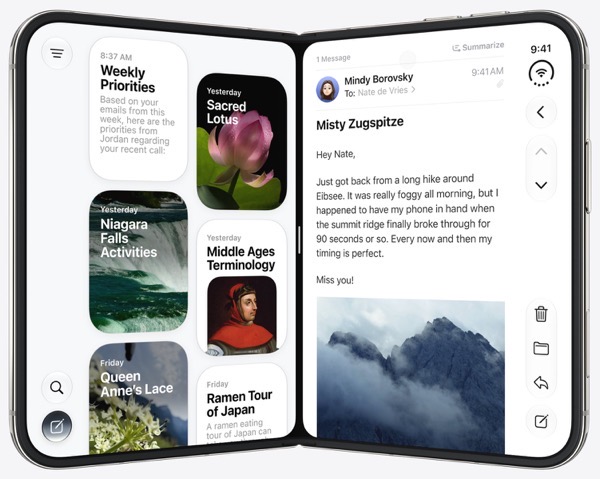 I haven’t seen or fondled the device in person as of yet. I’m planning a trip to a local Apple Store at some point early this week to see and touch it for myself. I’m sure my reactions will be similar to most. It’s a cool new piece of tech that has some first generation issues.
Regardless of how that visit pans out, I still don’t think the device is something I’m interested in. Perhaps in a future evolution. Perhaps one that is a folding iPad mini without all of the phone guts. I’d find that appealing. I’m guessing we’re at least a couple of years off from Apple and the carriers finding a way to make the Handoff feature, that seems obviously designed to attract folks who might want to own both a traditional slab phone and a folding phone, work as smoothly as Apple wants it to be. I certainly don’t want to pay for another phone line even as an add-on.
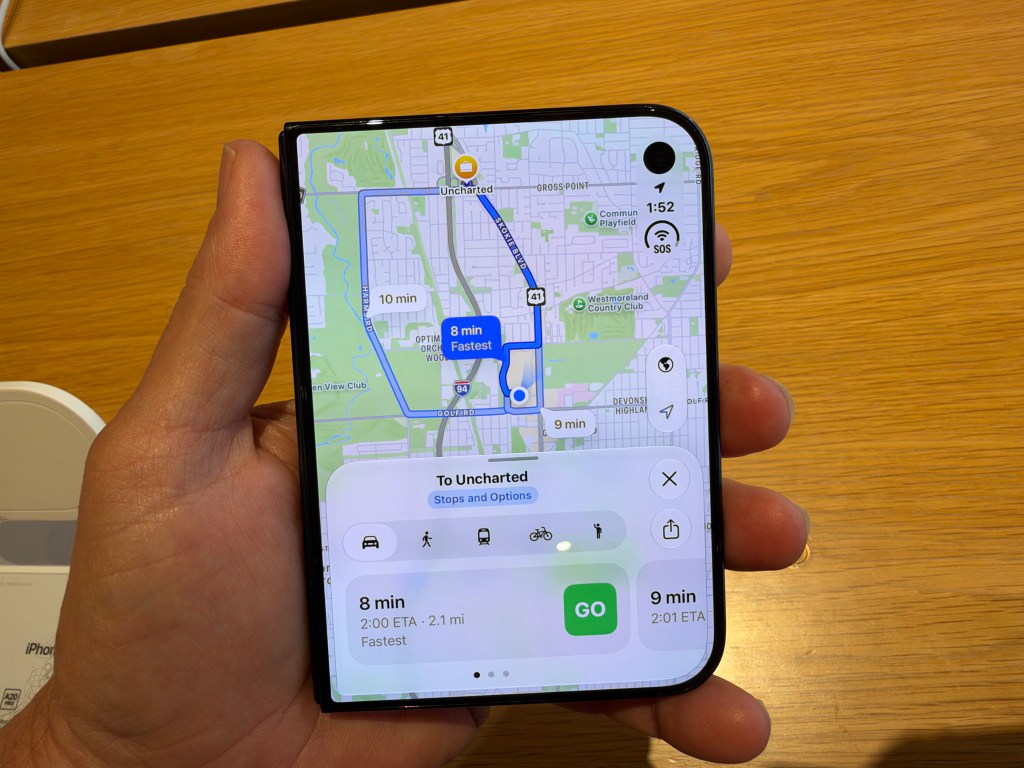
One thing I’ve noticed in reading and watching reviews is the right margin separation that Apple has segregated for the dock and controls, which I believe is the case in most orientations. I have seen images of some apps that also have controls on the left side when the device is open and showing two apps side-by-side. But that’s certainly not the case on the closed front screen. Even so, those I’ve seen seem to adhere to that separate toolbar (for lack of a better descriptor) approach. Apple chalks this up to a lack of vertical display space requiring these controls being located on the margins.
(See the update on the above below.)
When I look at it and hear complaints from others about how that leads to wasted space, it makes me wonder why the choice. Certainly in the context of what the original promise of Liquid Glass was all about. It just seems natural to me that any of those controls could overlay content in a liquidly-glassy sort of way. I’m not saying that would be ideal, but to my eye it sure seems logical.
I could be off base completely and there may be some tech or design reason I’m not understanding. Although I do note that there is talk (rumors?) that Apple is working on ways to make Safari feel less cramped, and give developers more freedom in designing their apps.
There’s an interesting article by Lavande that relates to this that might be worth your time if your’e as curious or clueless as I am.
The only thing I’m sure of is whatever the second generation of the iPhone Duo turns out to be, I bet we’re in for some changes given the excitement around the new device and both the positive and negative feedback Apple has received so far.
Update: I did take that trip to the Apple Store. And at least one Apple app, Maps, does look more like what I would expect apps (at least Apple’s) to look like with Liquid Glass with the controls overlaying the content. I’ll write up more about my iPhone Duo fondling experience in the next day or so.
Thanks for reading. You can subscribe to this blog if you care to. You can also find more of my writings on a variety of topics on Medium at this link, including in the publications Ellemeno and Rome. I can also be found on social media under my name as above. This site does not use affilate links.
-
Sunday Morning Reading
Writing a blog is an interesting experience. So is reading them. The best blogs are the ones where the person behind the keyboard shines through. You can say it takes courage to put yourself and your opinions out there. You would be correct. A lot of that got diminished when social media took over because of its hit and run nature. But blogs and the writers behind them are still there and surface now and again. Today’s Sunday Morning Reading features a few along with a few other tricks and treats. Hope you check them and the rest of the links out.
 Good writing stands out. Even on the Internet where it comes in small waves and ripples, subsequently washed away by more of the same, or often overwhelmed by the slop running alongside threatening to take it over. David Todd McCarty’s A Stream Has No Memory isn’t about that necessarily, and yet it is. All things flow.
As I mentioned, personal blogging took a hit when the age of social media dawned. Yet, those that still exist, though not always as prolific, still provide insight when a writer allows you to peek into deeper waters. In many ways putting yourself out there, regardless of where, can easily become a personal hell. There’s been quite a controversy eddying about in tech circles about some who loudly condemned what was formerly Twitter reversing course and just as publicly announcing that they are returning. To each their own personal hell, I guess. I’ve stated my feelings about that here and here. Noted developer Marco Arment took to his blog with a post simply and aptly titled Community. It isn’t about what X marks the spot, it’s about what I believe deep down we all search for when we choose to share ourselves in our writing and our creative work. It can be lonely even with a magnitude of followers in whatever personal hell you choose to put yourself into.
Jason Snell links to an excellent post by Cory Doctorow called Critique And Writing. Yes, it’s about AI and folks using it to generate editorial feedback, but it’s about so much more. We develop critical thinking by critiquing the work of others who work in the same field, whether it be writing or other disciplines. I had an acting professor once tell the class that the way we responded to the work of others told him more about how we were developing (or not) as actors as the work we ourselves did onstage.
In the category of things we all share but wish we didn’t Neil Steinberg takes on scams and their persistent and constantly replicating existence in I Look Forward To Reviewing Your Proposal And Learning About The Quest For Pie.
Natasha MH takes a look at perhaps the year’s most controversial film, Digger, in Hail The Conquering Heroes. That film is becoming a personal measuring stick for me as to who sees the world we live in as I do and who doesn’t.
Halloween is upon us. With grandkids that’s quite a treat. But it can also be tricky. I’m headed there next weekend because my grandson has convinced us that we have to go trick-or-treating with him and his sister. He’s chosen for me to be costumed as a T-Rex. (Wearing costumes is my own personal hell.) Regardless of my escapades, I marvel at all of the decorations that abound and proliferate in yards up and down every block of every town rendering them all somewhat meaningless. Rex Huppke takes on the topic in America Has An Addiction To Giant Halloween Skeletons.
And if Halloween spirits swirling amongst all of the evil things going on in the real world aren’t enough to scare the beejeebus out of you give a read to Max Seddon’s piece The Putin Whisperers about three men who worked to stop Putin from unleashing nuclear Armageddon. Some things are just damn scary.
All things flow.
(Image from The Cleveland Museum of Art on Unsplash.)
Thanks for reading. Feel free to subscribe if you want. It’s free. If you’re interested in just what the heck Sunday Morning Reading is all about you can read more about the origins of Sunday Morning Reading here. If you’d like more click on the Sunday Morning Reading link in the category column to check out what’s been shared on Sunday’s past. You can also find more of my writings on Medium at this link, including in the publications Ellemeno and Rome. This site does not use affilate links.
-
Previews, Pre-Season, Betas, and Opening Nights
There’s an old saying in the theatre biz. No show is ever really ready on opening night. It’s a cliché that has seen it’s time pass in the big money commercial circuit because so many producers run lengthy preview weeks, charging essentially, but not quite, full price to avoid reviewers publishing their criticisms until the show is officially open. The preview process began lengthing after the days of out-of-town tryouts came to an end, although we see that still happening occasionally as larger regional theatres will debut a work, allowing it to still be worked on, hoping that it will one day make it to Broadway.

There was a famous production of Eugene O’Neil’s play Hughie, starring and directed by Al Pacino, that ran in previews for almost a month before finally opening. That led to a critic from Daily Variety breaking the only after opening night embargo a week early since the announced limited run would end up with less “real” performances than those in previews after the show officially opened. The show would go on to extend the run a couple of times.
In smaller circuits the cliché still lives on, simply because of a lack of resources to run many preview performances in front of audiences to really gauge reaction before it officially opens. A show can look great in final dress rehearsals, but it’s never complete until there’s a paying audience of strangers sitting in the dark to tell if it works or not. The ever-present lack of time still breathes life into the cliché in ways that offer both hope and anxiety behind opening night curtains around the world.
In the professional sports world teams play in a pre-season or spring training games that don’t matter while the players tune up for the real thing. Although in most of those types of meaningless games it’s really more like watching players audition than it is anything else. Occasionally a budding star emerges, but that’s atypical. Early “real” season games that do count (at full price) are when teams find out what they have, leading knowledgeable sports viewers knowing when it is time to pay real attention to a team’s chances or not.
Those are two interests in my life. I’m a theatre professional (and geek) and I watch sports. Another is my interest in tech. In tech we have betas. Or we used to, when that was mostly for software. Now we’re just in previews, pre-season, or perpetual betas forever for both software and hardware. Which is somewhat understandable, yet weird, perhaps ironic, but ultimately a joke on the paying public, given the pace in which things are always advancing in tech, including the pace and price of advancement.
We never seem to reach opening night, opening day or the end of a beta period in tech. Instead products and software are released incomplete, occasionally followed immediately by “leaks” that suggest the company that just took your money for it’s latest best product ever is working on fixing the things they knew were wrong for the next version when they released the product you just payed for.
But you’re going to love it.
It’s easier to swallow with software. It’s a bigger pill that sticks in the craw with hardware.
It used to be that betas were for working out bugs. They still are to a degree, but now they’re just the next show in a never-ending season, or the latest minor-league call up. But you still pay full price for the game when the team needs to put a not ready for the big leagues pitcher on the mound just to fulfill its obligation to play the announced season.
You can argue that there’s nothing wrong with the way things have evolved in tech because the financial equations are different. It requires a substantial upfront investment to create, produce and deliver new technology. You’d be mostly wrong, but you can argue it. Most of the costs in show biz happen upfront before a show even gets close to an audience, hopefully a large enough one in a long enough run to recoup the initial investment. It is a different equation in sports.
The release of Apple’s iPhone Duo strikes me as an interesting entry in this evolution of consumer dynamics. Soon, perhaps too soon, before the product was released to the general public, leaks popped out that Apple was working on tweaks to two of the major criticisms of the device for the next generation — a larger model and adding FaceID. That followed criticism from reviewers.
In general, most tech reviews I read, watched, or listened to made it very clear that the iPhone Duo was a first generation device with some rough edges that wasn’t for everyone, especially at the entry price. I can’t judge those reviews myself since I haven’t seen the product, but they mostly seemed very similar and to my mind fair. Some, sounding more like theatre critics or sport writers I’ve known, were more harsh, delivering criticism that might have prompted a closing notice being posted before intermission or an early game benching.
Here’s where my three interests diverge a bit. In theatre the show can close early if it’s savaged or not enthusiastically endorsed by reviews. In sports a pro team can retool a bit by trading or signing free agents midseason. Tech companies have to play out the run with tech hardware until the next generation is ready.
Given the leaks following the reviews I find it sort of funny that I’m in a place of feeling a bit sorry for the carriers that are offering great deals on the iPhone Duo subsidized by a three year contract. That’s a tough sell to anyone who pays attention, though admittedly most won’t if they’re hot to trot for the new shiny folding phone from Apple.
It’s my hunch, and only a hunch, that Apple knew these criticisms were coming. Even so, it’s one thing to prepare the next version hoping to make changes that advance a platform, it’s another to make them in reaction to negative press once the product is unveiled. It sets you up in the next round for being congratulated for fixing what was wrong the last time.
In the theatre if a joke doesn’t land, you can replace the joke in previews. In sports you bench a player or fire a coach. With tech hardware it’s not that easy changing things before it becomes a punch line. (See the Vision Pro.)
My second hunch, only a hunch, is that the iPhone Duo will eventually become a successful part of Apple’s lineup and get past what feels like a rough opening. I don’t think it will enter into Vision Pro punchline territory. Critics of all human endeavors need something to criticize as much as companies need to produce the next thing. It’s a symbiotic relationship that feeds on itself. And the always distracted general public has short-term memory bordering on amnesia.
It’s my wish that tech companies, like theatre companies and sports teams, would figure out a better path to the success they seek. Sure, you might be able to fool some of the people all of the time. But for the most part folks figure it out on their own. Some of the time. And that some of the time is what everybody on the producing end of things counts on.
Thanks for reading. You can subscribe to this blog if you care to. You can also find more of my writings on a variety of topics on Medium at this link, including in the publications Ellemeno and Rome. I can also be found on social media under my name as above. This site does not use affilate links.
-
iPhone Duo Reviews Yield Few Surprises and A Preventable PR Faux Pas By Apple
When Apple introduced the iPhone Duo in September I called it “the ultimate wait and see device.” Folks have waited, and now some folks have seen, fondled, written and talked about it. Those who got lucky in the preorder lottery will see iPhone Duos tomorrow and quite a few will be waiting a bit longer given supply and demand issues. From most accounts I’d say there’s still a bit of waiting and seeing to come.
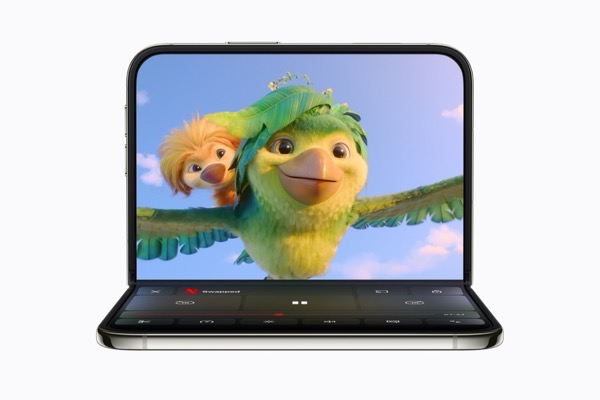
Generally reviewers were excited by the new device. Even if their comments about certain aspects were scathing. Of course none of them paid $2000+ for the review units. It will be interesting to see which ones do. But the excitement was tempered with many of the same questions folks had immediately following the introduction and the initial hands on impressions: The weight, reachability for left-handers, the small cover screen, the button placements, no FaceID, cameras, etc…
One of the big questions then and now, was how third party apps would work given the short lead time for developers to get their apps updated for the multiple screens and new layouts. More than a few weren’t ready for reviewers when they received their review unit. Several I read complained about this and warned that it was going to take a while for developers to catch up, leading to some subpar experiences. Again, that’s been said over and over since the Duo was introduced. Those reviews also mentioned how updated apps continued to roll out during the week that they had to check out the devices.
Intriguingly the day after the reviews dropped Apple popped out a press release touting the apps that will be ready when these devices make it into consumers’ hands or shortly thereafter. If you ask me that’s a sloppy unApple-like PR move that could have been avoided by having that info ready for reviewers. It wouldn’t have avoided all the words and talk about the issue, but it would have cast it in a different light. Apple never looks good when it’s playing catch-up. If that was a strategy, it was a poor one.
But that’s largely inside baseball in the way the gadget reviewing game is anyway. The real test will come when real users get their hands on the device and figure out how to hold it and work with it.
Below is a list of reviews I found interesting, mostly for their similarities. Again, pointing out questions or issues easily surmised after the Duo’s initial introduction.
That said, one interesting theme emerged in these reviews, from some subtextual, while others stated it bluntly: folks like the iPad-ness of the Duo’s larger unfolded screen quite a bit, with some wishing Apple had just created a folding iPad mini.
I find that thinking fascinating given my history with the iPhone. I stayed away from the first iPhone and didn’t get into what would become iOS until Apple released the iPod Touch later in 2007. I got on board the iPhone train with the 3GS. Keep in mind that the iPhone, as exciting as the early models were, didn’t really take off until the iPhone 4 and iPhone 5 generations.
The Verge: The iPhone Duo Is A Messy, Expensive Good Time.
The Wall Street Journal: iPhone Duo Review: Too Much IPhone, Too Little iPad
Tech Radar: I Spent A Week With the Apple IPhone Duo — And Yes, It Was Worth The Wait
Wired: Review: Apple iPhone Duo
9to5Mac: iPhone Duo Review: The Future Is Foldable
New Things With Joanna Stern: The Good, The Bad, and the Buggy
Daring Fireball: The iPhone Duo
As I’ve previously stated, I’m sitting on the sidelines and watching this all unfold. It’s still too early for me or anyone to draw any real conclusions. But based on what I’ve been reading and listening to, it sounds like next year’s Duo might be less of an expensive prototype than this first edition. We’ll understand better how the first iPhone Duo will fare about the time we start hearing rumors about the next one in January. Who knows? Maybe we’ll even see that folding iPad mini in a year or two.
Thanks for reading. You can subscribe to this blog if you care to. You can also find more of my writings on a variety of topics on Medium at this link, including in the publications Ellemeno and Rome. I can also be found on social media under my name as above. This site does not use affilate links.
Skip to content

Life on the Wicked Stage: Act 3
Musings on life, the theatre, technology, culture and the occasional emu sighting

