The president of the U.S made a speech tonight.
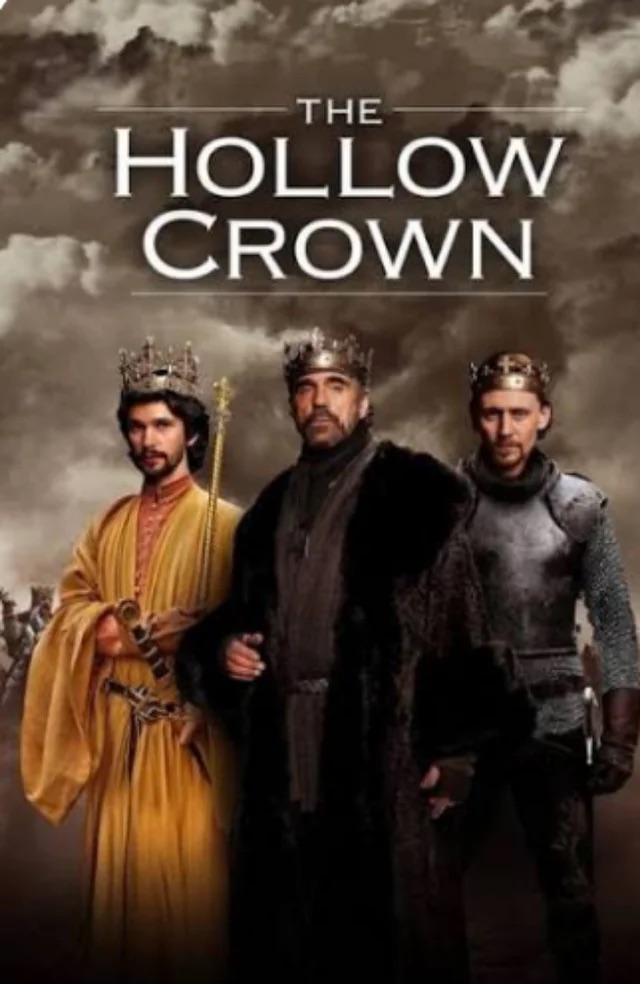
We chose to watch Shakespeare.
Life on the Wicked Stage: Act 3
Musings on life, the theatre, technology, culture and the occasional emu sighting

The president of the U.S made a speech tonight.
We chose to watch Shakespeare.
Elizabeth Lopatto calls out Apple and Google
With the pretense, facades, and myths we’ve all lived with for some time being stripped away in most areas of our lives, we’re also beginning to see more and more folks finally calling things like they actually see them.
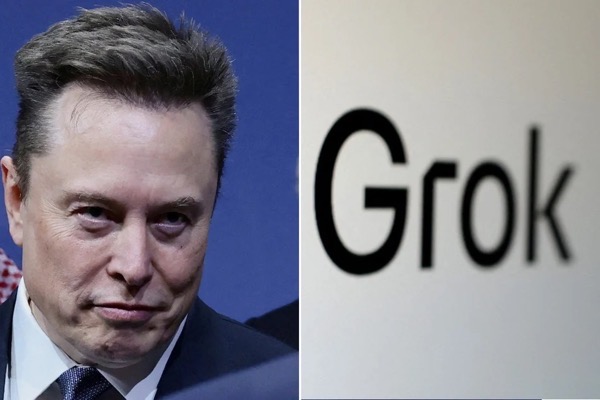
Just a quick post here to highlight Elizabeth Lopatto’s epic Verge post called Tim Cook and Sundar Pichai Are Cowards. She’s talking about the fact that Elon Musk’s X social network is still up on both app stores as of this writing, given that he’s not only allowing deepfake porn, which violates guidelines on both app store platforms, but in some bizarre twist of reality, somehow paying to post that kind of heinous crap apparently should ameliorate any concerns.
The bottom line has always been the bottom line and knows no morality when it comes to shoring it up. There’s no new bottom here, just the same old greedy capitalistic depravity.
Just remember allowing this to continue is essentially working as a pimp. I don’t care what your business model is, that’s the business you’re in.
You can also find more of my writings on a variety of topics on Medium at this link, including in the publications Ellemeno and Rome. I can also be found on social media under my name as above.
Apple should be embarrassed. It won’t be.
Nikita Prokopov takes Apple’s macOS Tahoe designers to task over their use of icons in menus in a a terrific, yet saddening post called It’s Hard To Justify Tahoe’s iCons. It’s an iconic takedown over what I also find an unnecessary and distracting visual change in Tahoe. Set aside that I think it’s unnecessary and unattractive, it’s just implemented so poorly it makes me wonder how many resources Apple devoted to something this poorly done, and how many more resources it will have to devote to hopefully cleaning it up.

Prokopov’s post is filled with examples that points up inconsistencies and confusing metaphors. It is illustrated extremely well with enough examples that anyone at Apple should find the cataloging of it embarrassing.
In his conclusion he states:
In my opinion, Apple took on an impossible task: to add an icon to every menu item. There are just not enough good metaphors to do something like that.
But even if there were, the premise itself is questionable: if everything has an icon, it doesn’t mean users will find what they are looking for faster.
And even if the premise was solid, I still wish I could say: they did the best they could, given the goal. But that’s not true either: they did a poor job consistently applying the metaphors and designing the icons themselves.
It’s well worth a read, but I tell you this, as bad and as distracting as I thought this macOS Tahoe design feature was, Prokopov’s post is full of so many examples that it actually makes Apple’s choices even more distasteful.
(Image from Propokov’s post)
You can also find more of my writings on a variety of topics on Medium at this link, including in the publications Ellemeno and Rome. I can also be found on social media under my name as above.
Kid’s gibberish making more sense than our political leaders
This afternoon while sitting and listening to my grandkids chatter in their own language, (at a volume that continues to set off the Loud Environment notification on my Apple Watch, I can say that not only is there a silly, naive innocence about everything I can’t decipher, but it doesn’t matter because I somehow understand it all.

What’s a bit insane about that is it that their gibberish makes more sense than all the words coming out of our supposed leaders, even as they string words together that actually form complete sentences.
Well, except for that one guy who yelled at the country in desperation.
You can also find more of my writings on a variety of topics on Medium at this link, including in the publications Ellemeno and Rome. I can also be found on social media under my name as above.
Saying goodbye for another season
We spent our final weekend the season at the lake this season. Always a sign that Winter is on the way, even if Fall seems late arriving this year.
Here are a few shots I took I thought I’d share.





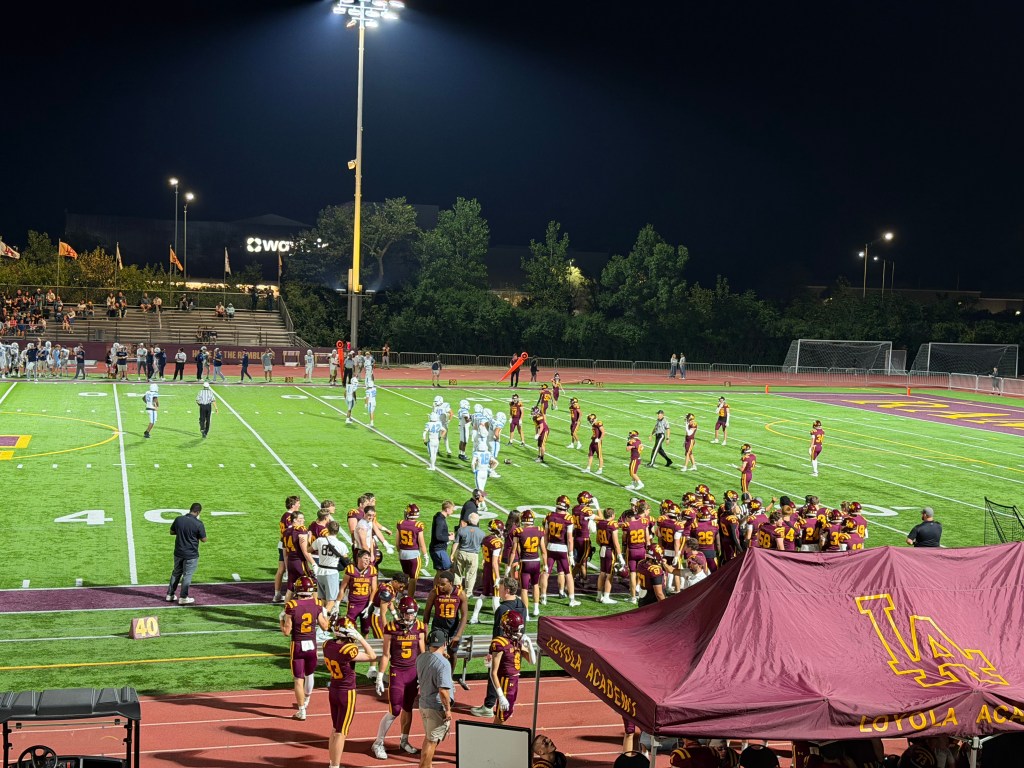
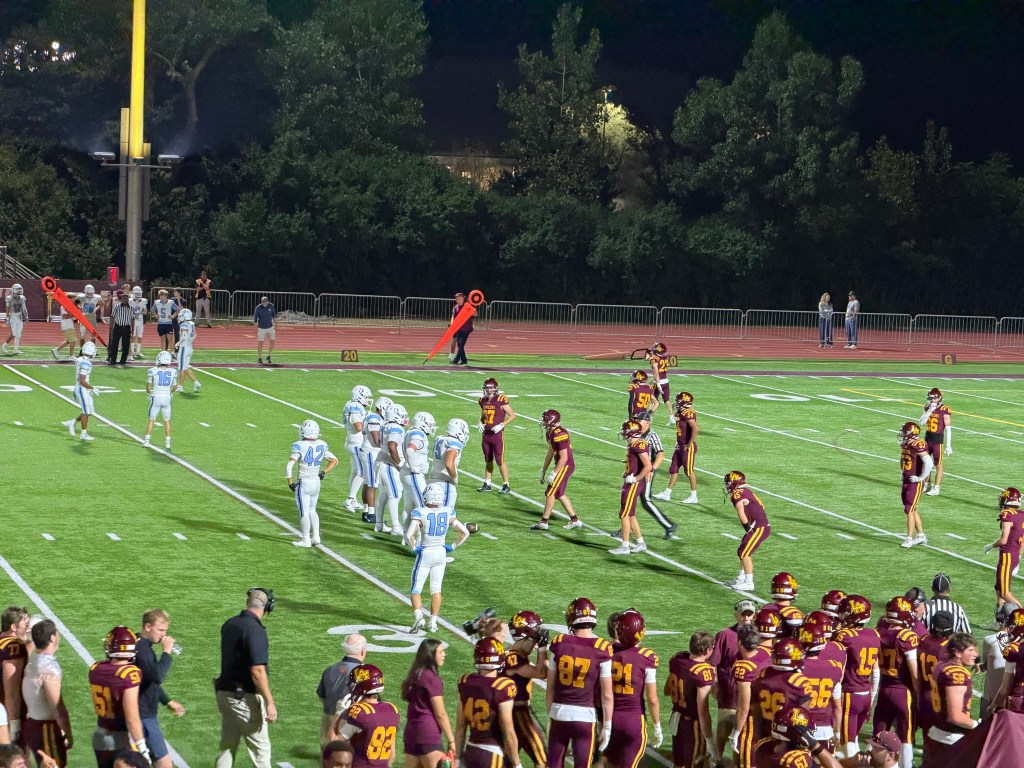
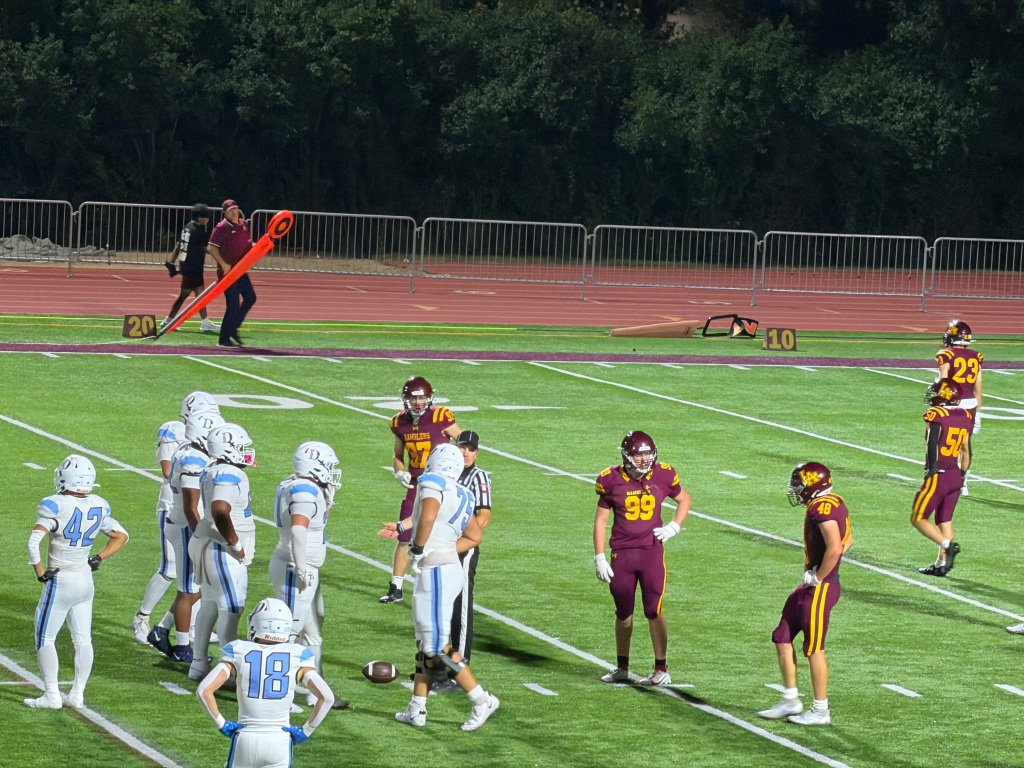
Testing out a bit of iPhone 17 Pro Photography last night at a nephew’s football game. The shots in the gallery below were taking running up the ladder and through the different cameras from Ultra Wide to the Main Camera to Telephoto from .5 to 8.


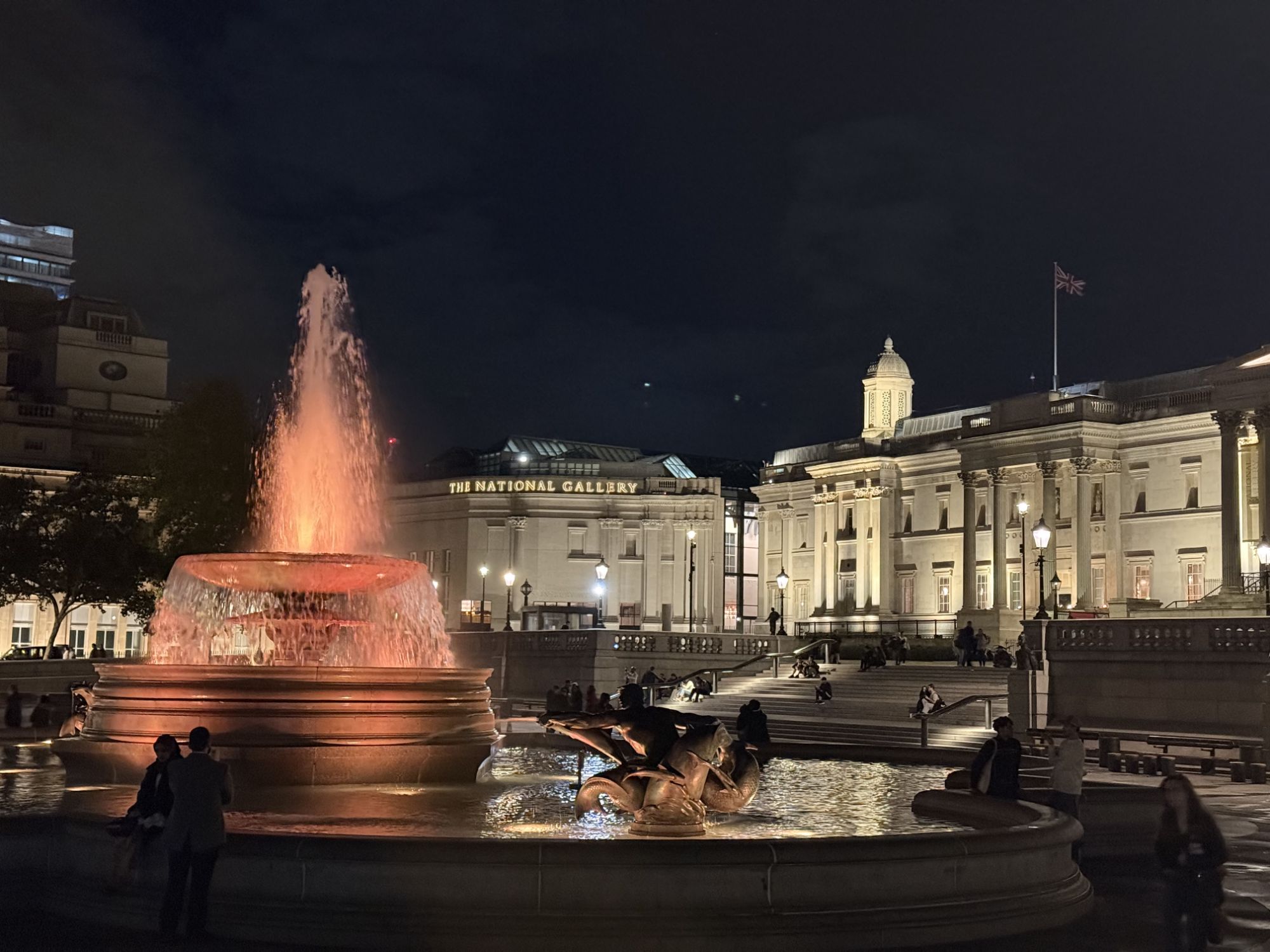
Still enjoying touring London. Still marveling at how weird it is seeing the reaction to this week’s news and the sadly predictable reactions to it back home.
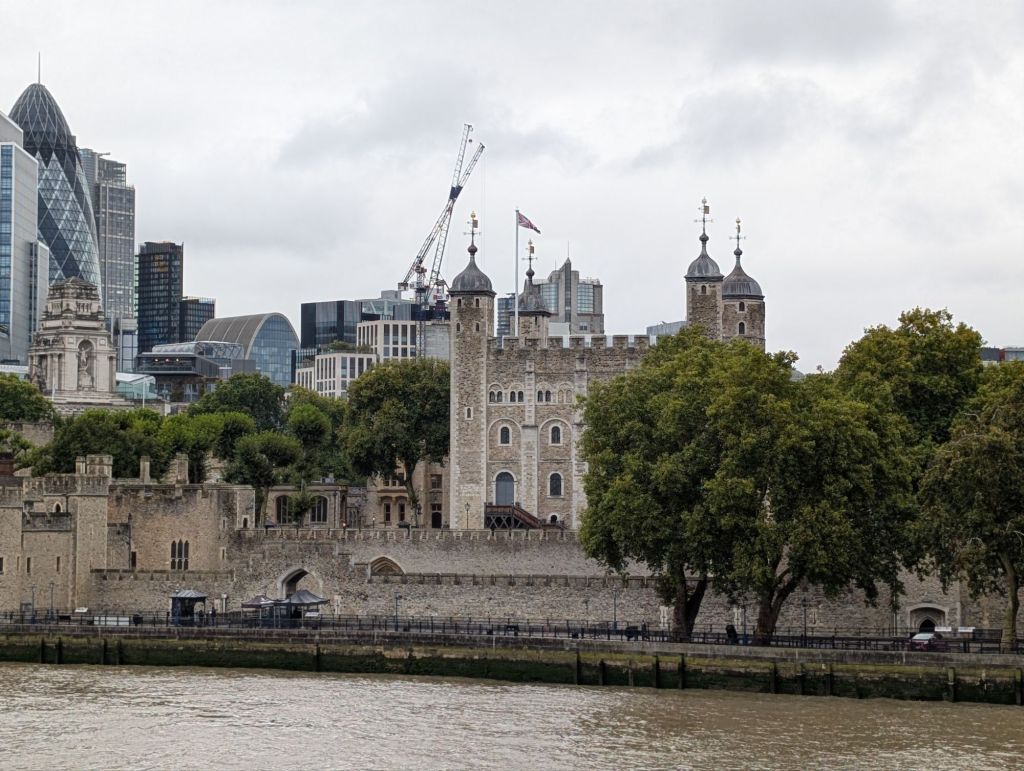
Chatting with drivers and other folks met along the way, the news back home may seem foreign to my view on the world as I thought it might one day become, but I’m reminded how, though separated as we are by a common language, we are inextricably tied into a gordian knot, by those who thrive on stirring up division for gain.
I say that as London prepares for supposed “free speech” protests today, with what’s in those quotes more easily defined as a way to drive the wedge of division deeper into our collective souls at whatever cost for whatever profit.
You can also find more of my writings on a variety of topics on Medium at this link, including in the publications Ellemeno and Rome. I can also be found on social media under my name as above.
It’s weird watching the scary political actions and reactions to the Charlie Kirk shooting in America from a foreign country.
Nothing is surprising.
I hate to say it, but something like this was inevitable. The thing itself, and the reaction so far to it.
Saying other ignores the obvious road we’re on.
I told my wife before we went to bed last night exactly what the reactions I’m seeing this morning would be. They are playing out as scripted. And you need no imagination to expect them to continue and how they will do so.
I wish I could say being abroad changes my perspective. It doesn’t.
You can also find more of my writings on a variety of topics on Medium at this link, including in the publications Ellemeno and Rome. I can also be found on social media under my name as above.
When caring becomes a commodity, should we care more or less?
Lots to care about. On all the usual fronts. But in the grand scope of the universe does much of it really matter? Some interesting links to share in this week’s Sunday Morning Reading.

Dan Sinker, taking a look at The Chicago Sun-Times AI flaps calls it The Who Cares Era. His theory is that along the way, nobody cared. I’d venture they cared about the wrong things.
Apple’s annual developer conference WWWDC is a week away and given the many issues the company is confronting lots of folks care and are curious about how Apple begins to address them. Some don’t see Apple changing how it deals with developers, like Aaron Vegh in his post, They’re Not Going to Change.
Some, like John Siracusa, are rooting for Apple and even offering advice. Siracusa’s piece Apple Turnaround is a companion to his recent previous post Apple Turnover. All worth a read, regardless of how you feel about the predicaments Apple finds itself in.
The tech bros who seem to be in the pole position running to rule the world may be making bank, but they’re not winning any friends in the process. They most likely don’t care given that they think they’re on their way to conquering the universe. John Kaag is offering up A Reality Check For Tech Oligarchs. Frankly, I don’t think they live in anything close to reality.
Meanwhile, down here on planet reality, some are looking for ways to survive and perhaps beat the odds seemingly stacked against us. A.M. Hickman lays out a vision for How To Live on $432 a Month In America.
Much of what’s going on around us might seem profane and vulgar, leading to quite a few expletives coming out of our mouths as we cope. David Todd McCarty takes us on an exploration of his love of four-letter words in Frequently Profane But Never Vulgar. For what it’s worth, all words have value in my opinion. Hiding from them is fucking stupid.
Natasha MH is Reclaiming the Joy of Struggle in an AI-Driven World. Better grab that joy while we can, because that struggle is only going to become more intense.
Just when you thought we might have begun to figure out the new landscape of insanity we’re currently struggling through, comes along Ross Anderson who informs us about The Nobel Prize Winner Who Thinks We Have The Universe All Wrong. It may someday stop expanding the way we thought and might just remain stagnant for longer than originally theorized, allowing intelligent life to continue longer than we thought. One may ask, should we care?
(Photo from Vincent Nicolas on UnSplash.)
If you’re interested in just what the heck Sunday Morning Reading is all about you can read more about the origins of Sunday Morning Reading here. You can also find more of my writings on Medium at this link, including in the publications Ellemeno and Rome.
The time is ripe.
Apple is taking it on the chin lately. Deservedly so. Although some of the pounding is from external sources (Tump’s not happy with Tim Cook apparently,) most of the blows are entirely self-inflicted. Among those critics is noted Apple pundit and podcaster, John Siracusa, who delivered a piece on how he sees Apple’s current predicament. His post, Apple Turnover, essentially says it’s time for a leadership change in the C-Suite. I think he’s correct and his post is worth a read.
Nothing lasts forever, as Siracusa nicely sums it up. Change happens. Life goes on whether that change is planned, forced, or fumbled into; a sort of a reverse echo of Shakespeare’s funniest villain Malvolio telling us that “some are born great, some achieve greatness, and some have greatness thrust upon them.” His display of hubris comes before his comic comeuppance. Apple’s won’t yield as much comedy.
Quoting from his piece:
…the only truly mortal sin for Apple’s leadership is losing sight of the proper relationship between product virtue and financial success—and not just momentarily, but constitutionally, intransigently, for years. Sadly, I believe this has happened.
The preponderance of the evidence is undeniable. Too many times, in too many ways, over too many years, Apple has made decisions that do not make its products better, all in service of control, leverage, protection, profits—all in service of money.
You can certainly argue that Apple achieved greatness and now appears like it’s reached a critical juncture on many fronts, including falling behind in Artificial Intelligence and trying to ring every ounce of worth it can from every penny its users might be willing to pay for its goods and services. I won’t go into any detail on any of that here because whether it’s AI, App Store business practices, or developer relationships, it’s all been chronicled well enough for most of those paying attention to recite like a catechism. The question is, are the high priests in the C-Suite paying attention?
A few years ago I wrote a piece about how I thought Apple had built itself into a design trap. Here’s a quote from that piece:
The larger and more precarious point with this tangent is that Apple’s rich design expectations, as powerful as they are, are also Apple’s Achilles heel. Great artists aren’t afraid to fail. Great product makers who use great art as a selling point need to tread more carefully to avoid the level of disappointment that can turn a legacy into a burden.
I think they’ve built themselves a similar sort of trap in their business model(s) that comes from the same sort of reliance on their legacy of success and the hubris that’s engendered. You can easily argue that Apple’s business prowess, akin to its design prowess have both yielded unparalleled results feeding each other and fueling the company’s growth.
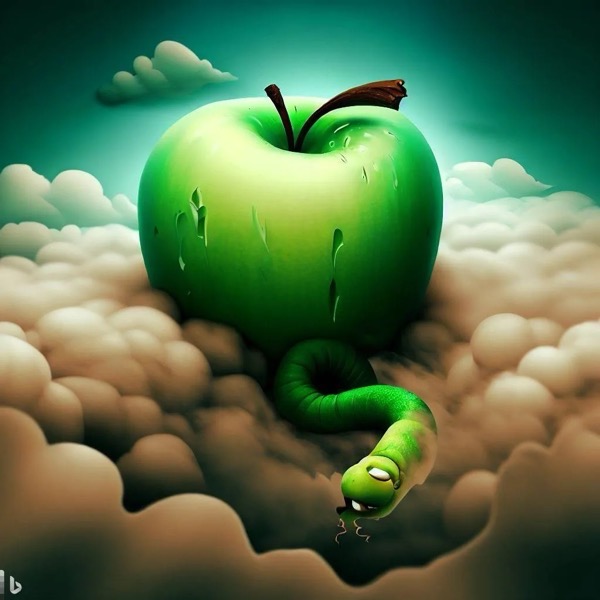
Joan Westenberg has an excellent piece called Apple’s Diet of Worms that touches on this. But to a certain extent it goes well beyond that. Apple is well known to take a long view, and by and large that’s paid off. They’ve been able to afford that long view historically, even though there have been grumblings along the way. However, I don’t believe Apple is dictating the terms or the timeline any longer.
In the case of Artificial Intelligence, as an example, who knows how that is going to play out for any of the players currently on the field or yet to come. But you can’t deny how OpenAI has changed the pace of things or how Google, and everyone else, is trying to play catch up. The recent announcement that OpenAI was purchasing Jony Ive’s design company to collaborate on what looks like new hardware, coming chock-a-block on top of Google’s mostly AI IO conference announcements, certainly changed the conversation. But then again it might be all smoke and mirrors, no matter how anxious everyone seems to be for some kind of new gadget of the future. Personally, I still think much on this AI front is a race without a finishing line or even a destination beyond collecting data for dollars.
That said, Apple is in it, perhaps thrust into the fray or perhaps fumbling along. Regardless, in my opinion any future achievements are going to require leadership change at the top.
You can find more of my writings on a variety of topics on Medium at this link, including in the publications Ellemeno and Rome. I can also be found on social media under my name as above.
 Life on the Wicked Stage: Act 3