
Meaning. It means so much. So do the words that deliver it to us. But remember, there was meaning before we constructed words into language. This week’s Sunday Morning Reading comes on the final day of a weird and wacky 4th of July weekend in the U.S when an often mean Mother Nature reminded us who is really in control no matter which words we choose or manipulate to pretend we are. It was kinda fun to watch. There’s also a few interesting pieces about America’s founding, and the myths and the meaning behind it all.
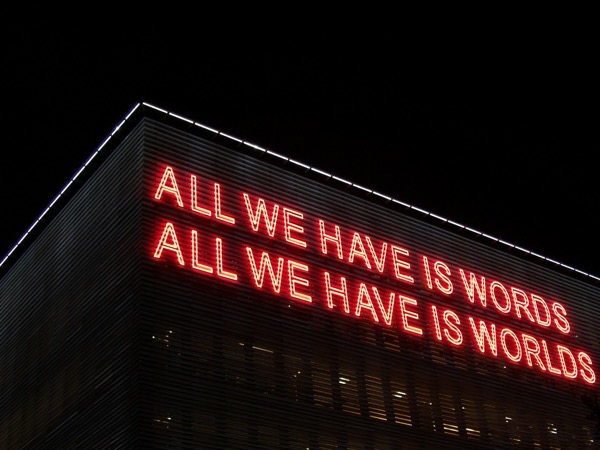
Kicking it off is a short piece from JA Westenberg asking Remember When Words Had Meaning? What comes first the distortion of language or the devaluing of the culture that employs them?
Speaking of meaning, Jack Loftus gives us The U.S. Constitution Is For Simple Folk Still Burdened By The Belief That Words Have Meaning. You can argue it was always thus, but we sure do spend an awful amount of time, energy and money arguing the opposite.
In this age of WTF, it has become an accelerating trend to see pieces disemboweling many of the myths we assign to the founding of America around the 4th of July. We used to share common myths more than we did a common history, but now even the myths get mangled. So it’s no surprise when the powers that currently be toil to rewrite both. Noah Berlatsky‘s The Constitution Sucks is a good example of how we can forever flip the coin looking for the right result, ignoring the edge.
T.H. Breen takes a look at some of the too often un-heralded folks and local movements during America’s revolutionary war period in It Wasn’t Just The Founders.
John Warner offers up For The Fourth, 9 Books For Your Sense Of Patriotism, saying “I’ve come to (personally) understand patriotism as a not a fan-like allegiance to a team, but a responsibility to understand the country’s history, warts and all as we pursue the illusive promise of life, liberty and happiness for all from the Declaration.” The key is knowing we all “come” to understanding.
Will Frivolous Charges Be Brought Against Future Ex-POTUSes? That’s Okay Too by Josh Marshall offers up an excellent piece on how we can twist and morph words in a legal context that shift the ground under most mythical mountains like “no man is above the law. “
Speaking of words and meaning, the bad guys seeking to survive a legal onslaught ahead of what they fear is a political tsunami coming for them are trying to rekindle old fears about communism and socialism as their latest talking points. Not sure those old saws will cut the same way they used to, but it demonstrates just how limited the dictionary is. David Todd McCarty takes a look behind the hooting and hollering in Democratic Socialism: Keeping The Great American Experiment Alive.
And in a quasi-hysterical look at shifting meanings and changing words, Rogé Karma is wondering Why Everyone Is Suddenly Talking About ‘Universal Basic Capital’. The quasi-hysterical part is that it’s coming from the AI market masters and a few politicians substituting the word “capital” for “income” following the words “universal basic.” Language is hard. When you can say anything to get what you want.
And in another word substitution, Doc Searls suggests we shift from an “attention economy” to an “intention economy.” Check out The First Source Of Personal Intent. I’m not sure the meaning changes with the substitution.
(Image from Alexandra on Unsplash)
Thanks for reading. Feel free to subscribe if you want. It’s free. If you’re interested in just what the heck Sunday Morning Reading is all about you can read more about the origins of Sunday Morning Reading here. If you’d like more click on the Sunday Morning Reading link in the category column to check out what’s been shared on Sunday’s past. You can also find more of my writings on Medium at this link, including in the publications Ellemeno and Rome. This site does not use affiliate links.