Trump’s Name Finally Comes Off The Kennedy Center

May his named be erased from so much more.

Well, that happened. Finally. Trump’s desecrating name was finally removed from The John F. Kennedy Center for the Performing Arts after a judge ruled to make it so. 

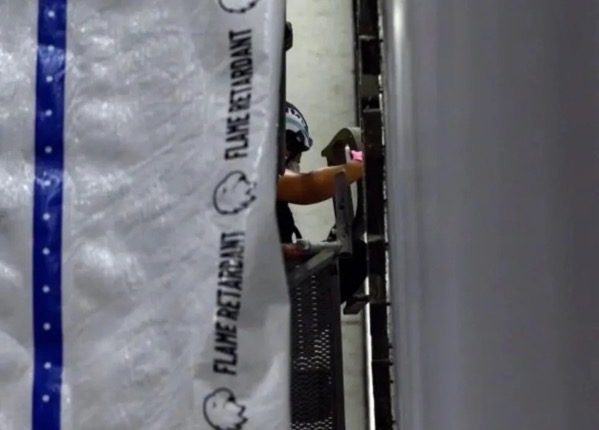
Photo of worker removing Donald Trump's name from the Kennedy Center by AP photographer Cliff Owen

It took a while, thanks to some legal cry-babying from Trump’s legal bunglers trying to soothe his injured and fragile ego. The act didn’t quite meet the June 12th deadline, but eventually under the cover of darkness and behind a curtain, the name came down after the public, via live streams on the Internet, got lessons in erecting scaffolding. The photo above was captured by Cliff Owen of the Associated Press and so far is the only one I’ve seen with a worker’s hands removing one of the letters.

The Kennedy Center has told the judge that all references to name have been removed from the building, website, and printed materials.

Of course the pedophile-in-chief’s name should have never been put there in the first place. It was a perversion. The removal is a small victory. Even if largely symbolic in a wellspring of atrocities. There’s no telling how long it will take to rebuild the damage he’s done to the Kennedy Center as an institution and the rest of what he’s destroyed.

But it is a bright moment in all of the darkness and hopefully breeds more anger and anticipation for ripping to shreds any of the other atrocious marks this less than human, but very real human monstrosity has visited on all of us. 

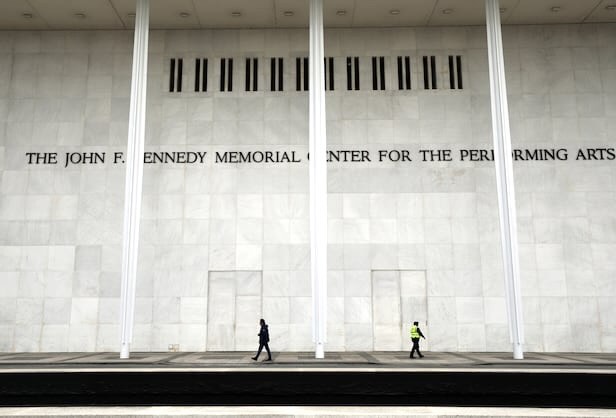
The facade certainly looks better.

As Neil Steinberg of the Chicago Sun-Times reminds us:

I want to live long enough to dance in the street when that happens. Let there be bonfires to light the night skies.

Update: The photo above of the facade with Trump’s name removed is from pre-Trump days. Apparently the tarp that covered the removal is still there and may be for some time.

Thanks for reading. You can subscribe to this blog if you care to. You can also find more of my writings on a variety of topics on Medium at this link, including in the publications Ellemeno and Rome. I can also be found on social media under my name as above. This site does not use affilate links.

Sunday Morning Reading

Biker heroes, cheese thieves, and stupidity checklists

Sunday Morning Reading time with stories and good writing about crime, incompetence, technology, shifts and changes, and cheese. There’s also hope in and amongst the chaos. Add a slice of cheese to your morning repast and give a read.

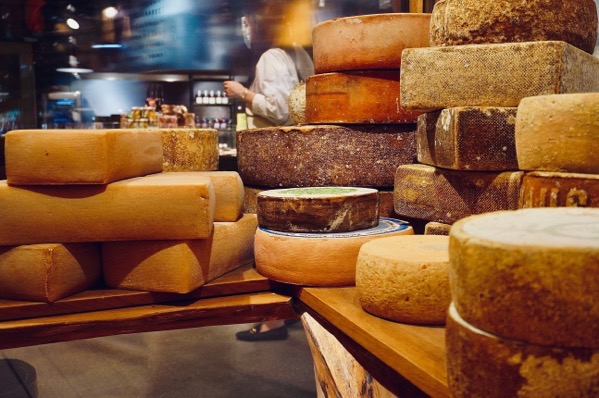
A rustic indoor display features a wide variety of artisanal cheese wheels and blocks stacked tightly on wooden shelving. On the left, smooth, rectangular orange-brown blocks are piled horizontally. On the right and center, large round wheels of varying sizes are stacked vertically, displaying diverse rinds—ranging from textured dark brown and dusty gray to smooth ochre and patterned beige. Photo by Azzedine rouichi YW_5rJvAdKw unsplash.

Starting this week’s edition with a surprising feel good story that reminds us we shouldn’t judge books by covers. Marlon G. Baxter tells the tale of young hearing impaired child who was saved from being trafficked in a Walmart by what appeared to most as an unlikely hero. You need to read “Heroes Wear Leather Too”: How A Deaf Child And A Biker Stopped A Trafficking Plot.

UPDATE: This pisses me off. Apparently the feel good story linked above is fake. I and several others have looked into it and it’s not holding up. Pardon my swearing, but this is so goddamned frustrating. I’m leaving the link and my description in for two reasons. Pointing out that we can’t trust a damn thing on the Internet anymore. Secondly, that really sucks given we’re all in a posture of looking for hope whenever we can find it.

In the wake of what’s happening at the ICE Delaney Hall detention center internment camp in New Jersey, Josh Kovensky recounts the story of what happened in the courts after similar battles over humanity happened earlier in Chicago. Check out How The Broadview Six Fought The Trump DOJ—And Found Massive Wrongdoing In The Process. Tough to see hope in these horrible moments as they occur, and it’s hard to believe we have to rely on the incompetence of evil doers after the fact, but here we are.

Speaking of incompetence, there are stories and there are stories. Andrew Kersley’s The Body In The Wheelchair: How Did A Troubled Family Get Lost By the State? This a tough read to digest on a Sunday or any day, but definitely worth your time. 

On the arts and politics front, a court has ruled Trump has to take his name off of the Kennedy Center and not close it down for renovations. Sounds like a victory. In the long term it may be, but Janay Kingsbury tells us that in the immediate future the damage may already have been done in Trump Hasn’t Left Much Kennedy Center To Stay Open. So much of what’s happening these days hurts my heart, but this misadventure hits me where I live.

Everything is changing, like it or not. Sonny Bunch thinks Hollywood is standing on the doorstep of yet another pivotal moment. Check out Hollywood’s About To Change (Again).

As far as pivotal moments go, there are quite a few happening all around us. Especially regarding searching the Internet. Google is reinventing itself and the Internet, leaving an opening for companies like DuckDuckGo and Kagi. Doc Searls writes How DuckDuckGo Can Be A Hero. Let’s hope these search companies seize the moment that’s before them.

And while we’re on the topic of tech, John Siracusa has published The EV Stupidity Checklist, suggesting ways the EV industry might get back on track. John could and should publish one of these for so many things in the tech sector. Perhaps also for so many other sectors of our lives.

I’m a cheese fan, and I’ve been known to nick a slice or two off of the hors d’oeuvres tray before the guests arrive. Olivia Potts tells us how organized crime fell in love with cheese in The Grate Cheese Robbery. Who knew cheese was the most stolen food in the world?

(Image from Azzedine Rouichi on Unsplash)

If you’re interested in just what the heck Sunday Morning Reading is all about you can read more about the origins of Sunday Morning Reading here. If you’d like more click on the Sunday Morning Reading link in the category column to check out what’s been shared on Sunday’s past. You can also find more of my writings on Medium at this link, including in the publications Ellemeno and Rome. This site does not use affilate links. 
Sunday Morning Reading

Art matters. If you listen.

It’s another Sunday in this insane world, so it’s time for some Sunday Morning Reading. It won’t cure what ails you, or the world. But there are those who are listening. Listen as you read.

Roman kraft _Zua2hyvTBk unsplash 1.

Aren’t You Tired Of Feeling Insane All The Time? Marie Le Conte asks that question. I’m not sure anyone can plug the hole in that boat, but acknowledging that we’re sinking is the first step.

David Todd McCarty tackles The Lost Art of Listening.

NatashaMH recently launched an exhibition of her art. Launching anything can take life out of you, launching any display of art exacts even more of the soul than it does the physical being. But as she says in The Social Life of Art, “art demands resilience, and resilience demands a sense of humor.”

I wrote a bit this week about what Mark Leydorf has to say about The Rise of Resistance Cinema In The Era of Trump. It’s worth highlighting his piece again here.

I’ve been watching the Apple TV series Pluribus with great curiosity. If nothing else, the show echoes Mr. McCarty’s opening to his piece linked above. (Warning. Don’t watch the show with my wife.) Dani Di Placido thinks he’s got it all figured out in What Is ‘Pluribus’ Really About?  Perhaps he does. I’m not so sure. I’m also not sure the show’s success or failure relies on figuring it out in the end.

I’ve been linking to some of the goings on at The Kennedy Center under this corrupt administration. Trust me when I say what’s happening there is causing shock waves across board rooms in arts institutions across the country as everyone looks to uncertain and unknown futures with no script to follow. It’s affecting the art. It’s affecting the business of art. It will affect the art in ways we can’t begin to imagine. Janay Kingsberry examines how Senate Democrats Are Investigating Kennedy Center’s Deals And Spending. 

Most of the links this week touch on the arts in one way or the other. In a way this tech topic does as well, given that so many want to turn emoji’s into some form of art. Benji Edwards examines the origins of this move back to hieroglyphics with the piece, In 1982, A Physics Gone Wrong Sparked The Invention Of The Emoticon. Art by accident often is the art that sticks.

(Image by Roman Kraft on Unsplash)

If you’re interested in just what the heck Sunday Morning Reading is all about you can read more about the origins of Sunday Morning Reading here. If you’d like more click on the Sunday Morning Reading link in the category column to check out what’s been shared on Sunday’s past. You can also find more of my writings on Medium at this link, including in the publications Ellemeno and Rome.

Sunday Morning Reading

Politics, the arts, a little snow, and the end of an era

It’s a Sunday and Fall is homing in on Winter as the first snow of the season hits Chicago this morning. Perfect time for a little Sunday Morning Reading featuring some interesting stories about the arts, AI, and home.

As the first flakes of this winter of discontent fall, two interesting reads highlight some of the chaos the art-less U.S administration is inflicting on the American arts scene, specifically The Kennedy Center. Shawn McCreesh takes a look at the damage being done in The Kennedy Center Crackup.

Meanwhile, Charlotte Higgins reports that the Washington National Opera May Move Out Of The Kennedy Center Due to Trump ‘Takeover.’ I’m here to tell you that while what’s happening on the banks of the Potomac may feel very inside the beltway, the repercussions are being felt in the boardrooms of arts organizations across the country.

The above, like most of our news of late, is certainly not something to laugh at. That doesn’t mean we shouldn’t find ways to laugh at the incompetent, ignorant and dangerous players wreaking havoc in their wake. Laughter gets under their all too thin skins, no matter how made up or stretched too tight by surgery. Mike Monteiro offers up How To Point At Fascists And Laugh.

NatashaMH, far too young to worry about being old, takes a look at creating art as she nears the mid-century mark in I Don’t Paint For Your Sofa. Youngsters these days.

Art and politics might be an unholy mix in dangerous times like these, but there’s another foul concoction brewing. Adam Willems points to An ex-Intel CEO’s Mission To Build A Christian AI: ‘Hasten The Coming of Christ’s Return.’ If you ask me these folks wishing for these kind of end times have really missed the points. All of them.

Continuing on the AI front there seems to be a bit of weakening in the walls of what most concede is an economic bubble. The cliché is that bubbles pop. Those that don’t, just disappear as they float away. Ben Thompson takes a look at what happens in either case in The Benefits of Bubbles. 

Home is where hearts are and often places you can’t return back to. I’ve lived both. Chris Andrei is Searching For The Elusive Feeling Of Home.

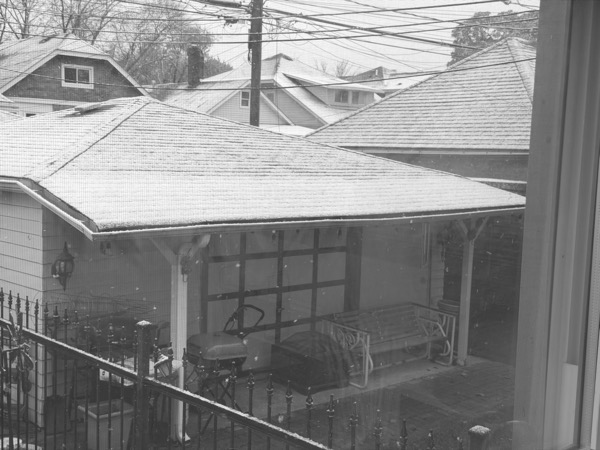
With the weather changing and snowflakes falling out my window, there’s a passage of time marker about to be set. The Farmers’ Almanac is about to shut down. Growing up in rural America there were only two publications that everyone I knew received in the mail. It was always a big deal in our house when my dad, who was the postmaster, brought those home. The Sears Catalog and The Farmer’s Almanac. The Sears Catalog is long gone. The 2026 edition of the latter will be its last. Grace Snelling takes a look back and ahead in After More Than 200 Years, The Farmers’ Almanac Is Shutting Down For Good. 

Returning to where this week’s column began, the arts, Jack Rodolico’s The Blue Book Burglar examines how New York’s once vaunted Social Register, was not only a destination that social climbers desired to be included in, but was also a hit list for the country’s hardest working art thief. I just don’t understand how the current thieves doing today’s pillaging have it so damn easy.

If you’re interested in just what the heck Sunday Morning Reading is all about you can read more about the origins of Sunday Morning Reading here. If you’d like more click on the Sunday Morning Reading link in the category column to check out what’s been shared on Sunday’s past. You can also find more of my writings on Medium at this link, including in the publications Ellemeno and Rome.